
Home » Treatment Services » Cognitive Behavioral Therapy
Substance use can become connected to the way you think, feel, and respond to stress. You may know that drinking or drug use is causing harm but still feel pulled toward it when cravings, anxiety, shame, anger, or painful memories return.
Cognitive behavioral therapy can help you recognize these patterns and respond differently. Often called CBT, this evidence-based therapy focuses on the connection between thoughts, emotions, and behaviors. It also teaches practical skills that can support recovery during treatment and after you return home.
At Greylock Recovery in Williamstown, Massachusetts, CBT is one of many evidence-based therapies that may be included in an individualized treatment plan for substance use disorders and co-occurring mental health conditions. Our approach is compassionate, trauma-informed, and centered on your needs.
You don’t have to wait for another crisis to ask for help. Don’t let harmful thoughts and substance use patterns keep controlling your life.
Cognitive behavioral therapy is a structured form of talk therapy that helps you identify unhelpful thought and behavior patterns. The goal is not to ignore difficult experiences or force positive thinking. Instead, CBT helps you examine whether your thoughts are accurate, useful, and leading you toward healthy choices.
The basic CBT model recognizes that thoughts, emotions, and behaviors influence each other.
For example, you may think:
That thought can lead to shame, hopelessness, isolation, and stronger urges to use substances.
CBT can help you develop a more balanced response:
Changing one thought does not cure addiction. However, over time, recognizing harmful patterns can help you make more intentional choices.
Substance use often follows a trigger. You may drink or use drugs in response to stress, conflict, loneliness, trauma reminders, physical pain, or social pressure. As this pattern repeats, using can begin to feel automatic.
CBT helps make the pattern easier to recognize.
During treatment, you may learn to:
CBT does not treat addiction as a lack of willpower. Substance use disorders are complex health conditions. Therapy may be combined with medication-assisted treatment (MAT), medication management, peer support, family involvement, and relapse prevention planning.
Greylock Recovery provides medically supervised detox and residential treatment for adults with substance use disorders. Residential care may include individual therapy, group support, psychoeducation, co-occurring mental health treatment, and aftercare planning.
Mental health symptoms and substance use often reinforce one another. You may use alcohol to calm anxiety, stimulants to cope with low energy, or opioids to escape emotional pain. While substances may offer temporary relief, they often make the underlying symptoms worse over time.
Cognitive behavioral therapy may be used to address concerns such as:
CBT can help you understand how mental health symptoms affect your behavior and how substance use may worsen those symptoms. This allows both concerns to be addressed together.
Greylock’s approach recognizes that recovery may involve substance use, trauma, family relationships, mental health, and other parts of your life. Treatment is designed around the whole person rather than a single diagnosis.
Cognitive behavioral therapy and dialectical behavior therapy (DBT) are related, but they have different areas of emphasis.

Neither therapy is automatically better. Your care team may recommend CBT, DBT, or elements of both based on your symptoms and goals.
CBT includes several related approaches that may be used during addiction and mental health treatment.
This approach helps you identify automatic thoughts, examine the evidence behind them, and develop more realistic ways of thinking. It may be helpful when shame, guilt, or hopelessness affects recovery.
Behavioral activation helps you gradually return to healthy and meaningful activities. It is often used when depression, isolation, or low motivation makes it difficult to participate in daily life.
Exposure-based approaches help people safely face situations, memories, or physical sensations they have been avoiding. This approach should be carefully planned with a qualified clinician, especially when trauma is involved.
Relapse prevention uses CBT principles to identify warning signs and prepare for high-risk situations. You may create plans for handling cravings, conflict, social pressure, loneliness, or contact with people associated with past substance use.
Mindfulness-based approaches help you observe thoughts, cravings, and emotions without reacting immediately. This can help you recognize that a craving is temporary and does not have to control your next action.
Cognitive behavioral therapy (CBT) techniques are designed to be practiced in and outside therapy. Common techniques include:
The goal is not to perform every exercise perfectly. Practice helps you discover which tools are most useful in real situations.
CBT usually begins with an assessment of your symptoms, substance use, treatment history, and goals. You and your therapist then identify patterns that may be contributing to current problems.
A typical CBT session may include:
You may discuss your mood, cravings, recent stress, safety, and progress since the previous session.
You may focus on a recent event, such as an argument, craving, trauma reminder, or fear about the future.
Your therapist helps you separate the situation from your thoughts, emotions, and behaviors.
For example:
You may examine the evidence and create a more realistic thought, such as:
The session may include role-playing, coping planning, grounding, or problem-solving.
CBT should feel collaborative. Your therapist guides the process, but treatment should not feel like someone is telling you what to think.
CBT may be helpful if you:
You do not need to be comfortable talking about everything before starting therapy. CBT provides structure that can make difficult concerns easier to approach.
CBT is not a replacement for medical detox when withdrawal may be dangerous. Alcohol, benzodiazepine, opioid, and polysubstance withdrawal may require medical supervision. Greylock provides medically monitored care and residential support when appropriate.
When searching for CBT therapy near me, look for a provider that evaluates your substance use, mental health, physical health, and recovery history before recommending care.
Consider asking:
Greylock Recovery is located at: 1561 Cold Spring Road in Williamstown, Massachusetts.
We serve adults from Williamstown, North Adams, Pittsfield, Adams, Lenox, Great Barrington, and other Berkshire County communities. We also welcome people from western Massachusetts, southern Vermont, and nearby areas of eastern New York, including Albany and Troy.
You are more than your addiction, your relapses, or the thoughts that tell you nothing will change. Cognitive behavioral therapy can help you understand the patterns that keep you stuck and begin practicing healthier responses.
At Greylock Recovery, CBT may be combined with medical care, residential support, co-occurring mental health treatment, and continued recovery planning.
Call (413) 269-8387 or verify your insurance to speak with someone about treatment. You do not have to be ready for everything. You only have to be ready for one step.
CBT is commonly used in addiction treatment because it helps people recognize triggers, challenge thoughts that support substance use, and practice healthier coping strategies.
CBT may be used for substance use disorders, anxiety, depression, trauma-related symptoms, panic, stress, and other behavioral health concerns.
The length of CBT varies. Some people participate in a set number of sessions, while others receive CBT throughout residential treatment and continued care.
A session may include a check-in, discussion of a recent challenge, identification of thoughts and emotions, skill practice, and a plan for using that skill outside therapy.
Many insurance plans cover behavioral health therapy when it is medically necessary. Coverage, deductibles, and authorization requirements vary, so benefits should be verified before treatment.
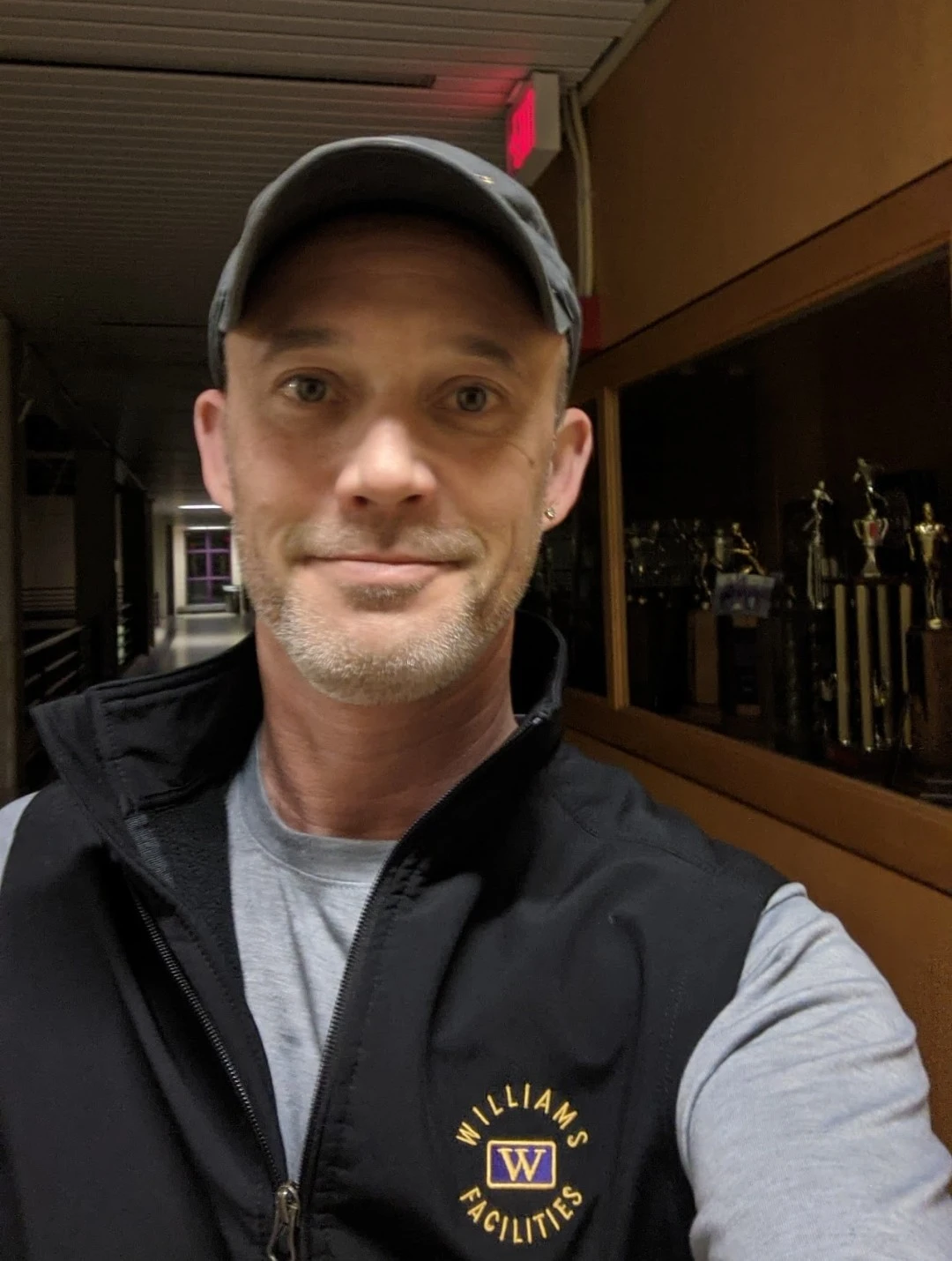
Jody Kocsis is a dependable team member dedicated to maintaining a safe, clean, and efficient facility environment. With a strong attention to detail and a commitment to quality, Jody supports daily operations and ensures a positive experience for all.
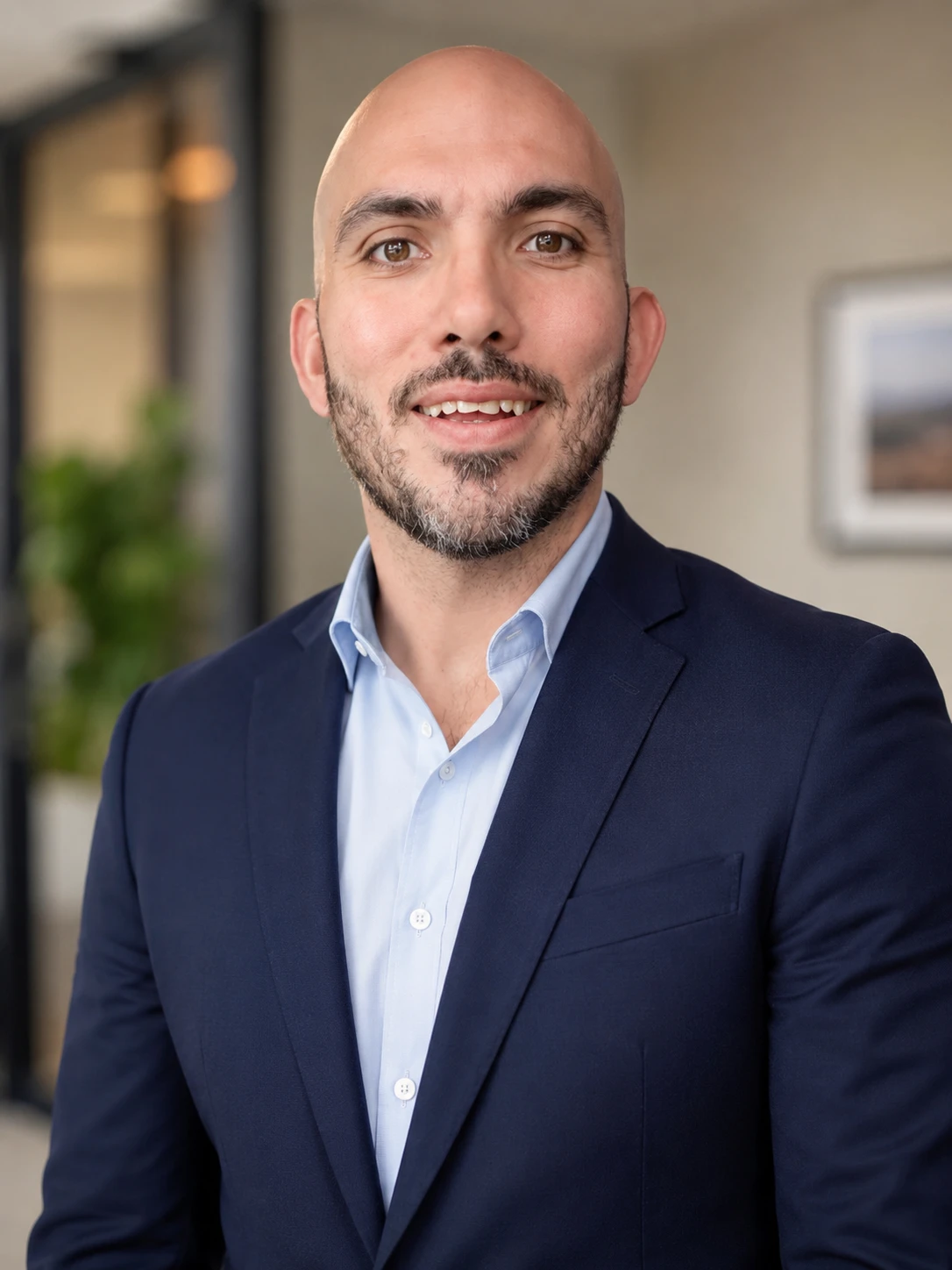
Eric Simmons is the Director of Case Management at Greylock Recovery, bringing more than 15 years of experience in behavioral health, substance use disorder treatment, residential programming, admissions, and case management. He has led program operations, patient advocacy initiatives, staff development, and outcome improvement efforts across residential and human service settings.
Prior to Greylock Recovery, Eric served as Director of Residential and Admissions Services for a local Berkshire county recovery facility, overseeing residential operations, admissions, referral development, and regulatory compliance. His expertise includes case management, discharge planning, community resource development, compliance, and staff training.
Eric earned a Bachelor of Arts in Sociology from Westfield State University, graduating Magna Cum Laude. He is committed to helping individuals overcome barriers to recovery and achieve lasting stability, while also serving his community as a youth football coach and mentor.
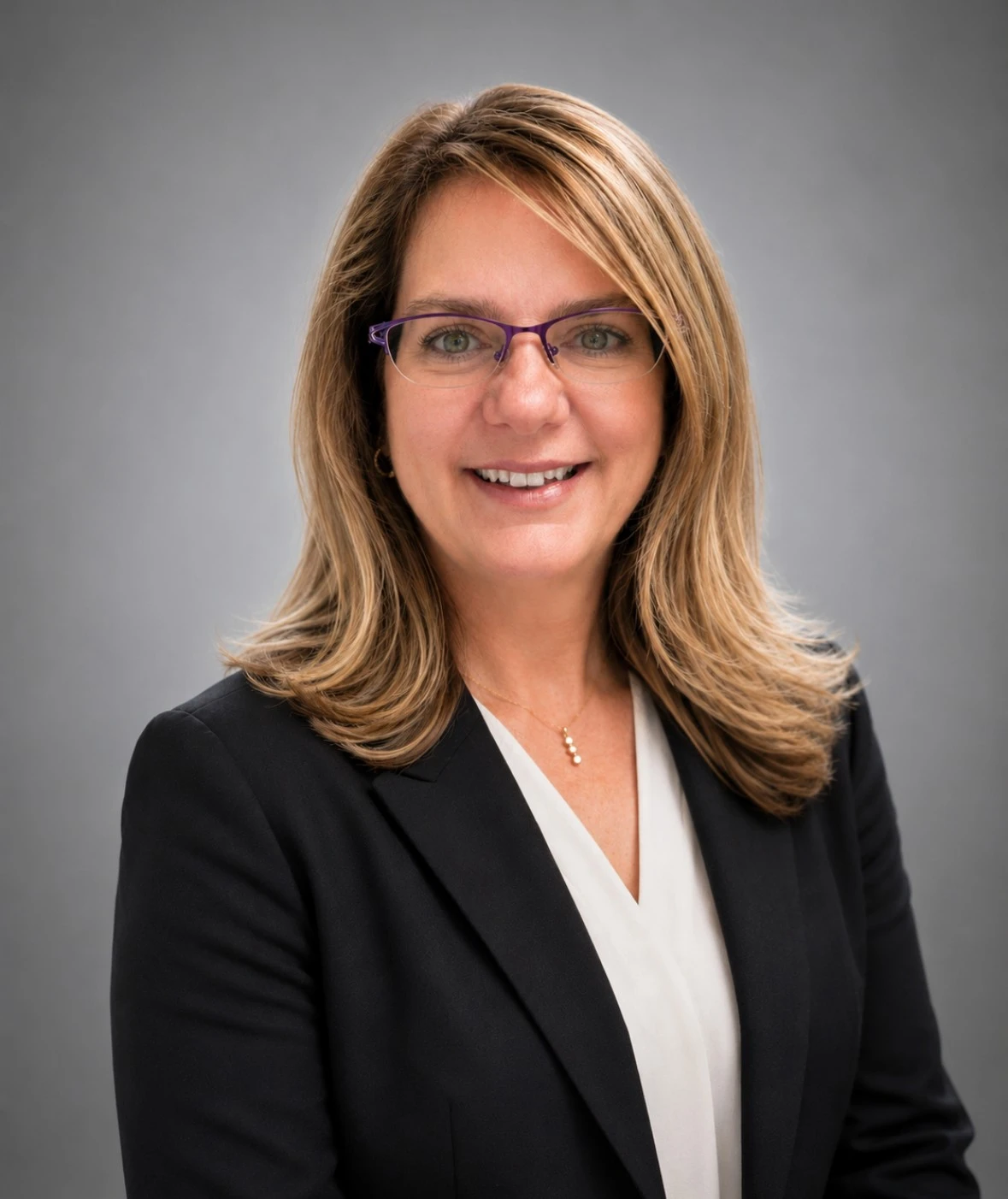
Jennifer Parsons is a seasoned human resources executive with more than 15 years of experience leading strategic HR initiatives, talent management, employee relations, and organizational development. Most recently, she served as Senior Vice President of Human Resources at Pittsfield Cooperative Bank, where she played a key role in fostering a positive workplace culture and supporting the organization’s growth and success.
Jennifer holds the Senior Professional in Human Resources (SPHR) certification from the Human Resource Certification Institute (HRCI), demonstrating her expertise and commitment to excellence in the HR profession. She also earned an associate’s degree in both Business Administration and Hospitality Administration, providing a strong foundation in leadership, operations, and customer service.
A Berkshire County native, Jennifer is deeply committed to her community and currently resides in the region with her family. In addition to her professional accomplishments, she serves on the Board of Directors for the Gladys Allen Brigham Center in Pittsfield, supporting the organization’s mission to empower women and strengthen the Community.
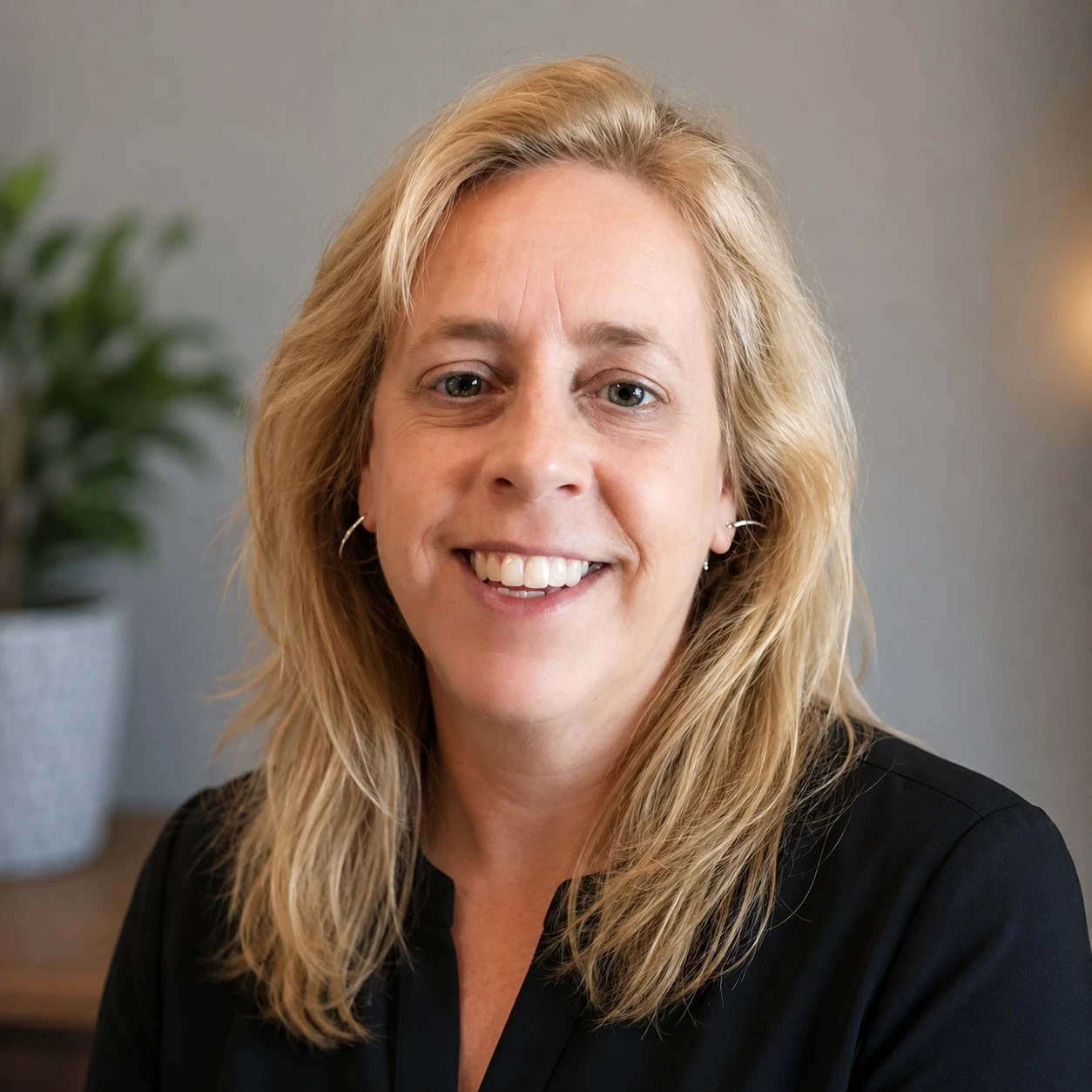
Jennifer Walker has been caring for others since 1989, starting out as a nurse’s aide and working her way through roles as a medical assistant, LPN, and RN. Along the way, she earned an associate’s degree in business administration and gathered an impressive range of experience—from primary care and long-term care to neurosurgery, neurology, colorectal surgery, orthopedics, and hospital-based surgical services. She’s also spent seven years helping individuals overcome substance use disorders, including time as a Director of Nursing, and has worked in hospice and with patients with disabilities.
But Jennifer’s dedication to people goes far beyond the workplace. A former foster parent and active supporter of local charities, she pours her heart into her community. When she’s not in scrubs, you can find her cheering at a sports game, tending to her garden, or enjoying laughter-filled moments with her family. Her blend of skill, heart, and positivity makes her not just a caregiver, but a true bright light for everyone she meets.
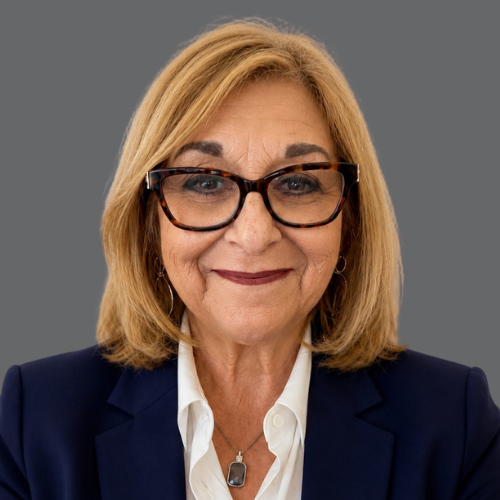
Elizabeth Azzariti, LICSW, is a seasoned clinical leader with over 10 years of experience in treating behavioral and addiction issues. After a successful 25-year career in the insurance industry, where she advanced to VP of Finance and Administration, she returned to school, earned her Master of Social Work from Wheelock College, and launched a new career dedicated to behavioral health. In her new role as Clinical Director at Greylock Recovery, she brings deep expertise in clinical operations, program development, and multidisciplinary team leadership. Most recently, as Executive Director at Nulife Behavioral Health, she served as both Clinical and Executive Director, leading the launch of PHP, IOP, TMS, Alumni, and Family programs while overseeing clinical staff hiring, supervision, and operations. She designed and implemented a 16-week evidence-based curriculum for co-occurring disorders that boosted attendance, retention, and patient outcomes. Her prior leadership roles include Clinical Supervisor at Blue Hills Recovery—directing multidisciplinary teams across PHP, IOP, and 24/7 residential programs—and at New England Recovery Center. EMDR-trained and specializing in trauma-informed care and integrated treatment, Elizabeth is passionate about delivering high-quality clinical care that supports lasting recovery for individuals and families.
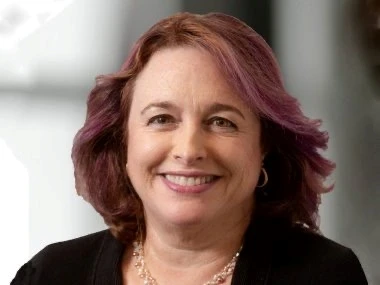
Flora Sadri-Azarbayejani’s journey in the field of healthcare began at Boston University, where she earned her undergraduate degree in biomedical engineering.
Dr. Sadri-Azarbayejani pursued dual master’s degrees at Boston University, specializing in epidemiology and biostatistics, and medical science. She then attained her doctorate in medicine from the University of New England College of Osteopathic Medicine. Dr. Sadri-Azarbayejani’s professional career commenced as an epidemiologist in infectious disease at the Massachusetts Department of Public Health.
Eventually appointed as the Chief Medical Officer.She became board certified in addiction medicine and worked in the addiction space since 2014. She has worked both inpatient and outpatient addiction medicine. Opening programs in both arenas.
Currently serves as the medical director for substance use services at Lowell Community Health Center and for an inpatient addiction treatment center. Dr. Sadri-Azarbayejani is an active and engaged member of various medical societies, including the Massachusetts Medical Society, the American Academy of Family Physicians (AAFP), and the American Society of Addiction Medicine (ASAM).
Involved with development of CARF guidelines for outpatient addiction treatment programs. She also hopes to make an impact on passing legislation of supervised consumption sites in the near future.
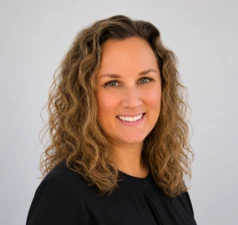
Lauren Temple is a Licensed Clinical Social Worker (LICSW) bringing over 15 years of dedicated leadership in the behavioral health sector, with extensive expertise spanning inpatient, outpatient, and substance use disorder programming. She obtained her Master of Science in Social Administration from Case Western Reserve University and holds dual licensure as an LICSW in Massachusetts and an LISW-S in Ohio. Serving as the Executive Director for Greylock Recovery, Lauren manages clinical operations, regulatory adherence, and strategic growth to uphold the highest standards of patient-centric treatment.
Her professional background includes directing diverse clinical teams, broadening service accessibility, and overseeing quality improvement efforts while navigating complex accreditation and state regulatory cycles. Lauren remains deeply invested in cultivating elite clinical staff, improving recovery metrics, and championing evidence-based advancements in behavioral health care.