
When you love someone who’s actively using, every day can feel like a contradiction. You’re holding on—and holding your breath. You remember who they are without the substances, but you’re also bracing for the next lie, the next mood swing, the next “I’m fine” that clearly isn’t true.
It’s a lonely kind of loyalty. And if you’ve made it here—reading about residential addiction treatment—you’re likely wondering what else is possible. Not just for them, but for you, too.
Greylock Recovery’s residential addiction treatment program in Williamstown, Massachusetts offers something different. Not perfect, not magic—but real, clinical, structured support in a safe space. A place where your partner can begin to heal—and where you can begin to rest, even just a little.
This guide is for you: the partner who’s stuck between love and limits, worry and hope. It’s not here to shame or pressure. It’s here to show you what’s possible when care steps in and codependency steps back.
Loving Someone in Active Addiction Changes You
Before we talk about treatment, let’s name the truth: loving someone in active addiction often hurts more than it heals. It changes how you speak, how you think, how much you trust yourself.
You might second-guess what’s real. You might explain away behavior that, deep down, scares you. You might find yourself isolated—emotionally or even physically—because it’s too exhausting to explain your life to others.
This is where a lot of partners live: in quiet survival mode. You’re not overreacting. And you’re not alone.
Residential Addiction Treatment Isn’t About Giving Up
For many partners, the idea of sending someone to treatment feels heavy. Like admitting defeat. Like handing over the person you love to strangers.
But here’s a reframe: residential addiction treatment is not about giving up—it’s about letting go of the things you can’t carry anymore. It’s about interrupting a cycle that’s been hurting both of you. It’s about choosing structured support over endless emotional triage.
At Greylock, residential treatment means a medically and psychologically safe space, away from daily triggers and the rollercoaster of crisis management. It’s not about fixing everything—it’s about finally starting the real work of recovery, away from the chaos.
What Actually Happens in Residential Treatment?
If you’ve never seen a program up close, it’s easy to imagine something cold or clinical. But here’s what residential treatment really looks like at Greylock:
- Clinical Assessment: A full evaluation to understand not just substance use, but co-occurring mental health issues, trauma, and other factors.
- Structured Daily Schedule: Therapeutic groups, individual therapy, recovery planning, and activities that rebuild rhythm and purpose.
- Medical Support: Detox, medication if needed, and ongoing physical health monitoring.
- Family & Partner Involvement: When appropriate, we invite partners into the process—whether through therapy sessions, calls, or discharge planning.
- Aftercare Planning: Before discharge, a plan is created that includes ongoing support, outpatient care, and realistic goals.
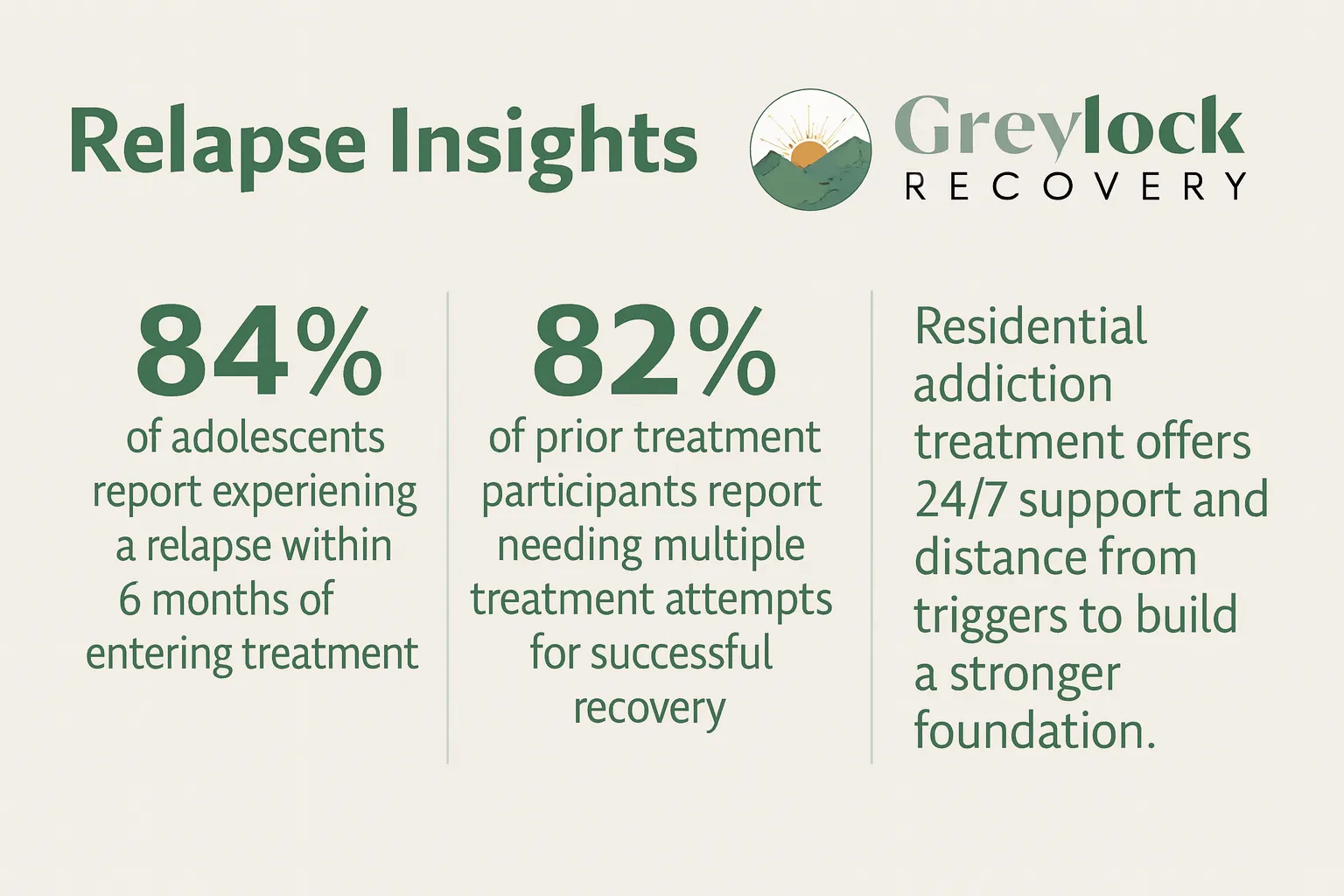
Treatment isn’t just about getting clean. It’s about understanding why they used in the first place—and building skills to live differently after they leave.
Your Partner Needs Treatment. You Might Need Support, Too.
One of the hardest truths for many spouses and partners is this: even if they go to treatment, you’ve been impacted, too.
You’ve been hypervigilant. You’ve lost sleep, lost trust, maybe even lost parts of yourself trying to keep things afloat. That deserves healing.
Partner support isn’t selfish. It’s essential. Whether through therapy, support groups like Al-Anon or SMART Recovery Family & Friends, or just having someone remind you this isn’t your fault, your healing matters.
Boundaries Are Not Betrayals
Setting a boundary can feel cruel when you love someone who’s hurting. But love without boundaries often turns into enabling. You might catch yourself rescuing them, hiding the truth from others, or absorbing the emotional blowback of every bad day.
Here’s the truth: boundaries protect love from becoming self-destruction.
When your partner enters residential addiction treatment, it’s a chance to reset the boundaries that may have eroded. It’s okay to say:
- “I can’t keep covering for you at work.”
- “I love you, but I won’t lie to your family anymore.”
- “I’m not okay, and I need space to take care of myself.”
You’re allowed to want your partner to get well. And you’re allowed to want peace, whether they do or not.
You Can Hope Without Guarantee
It’s natural to want assurance. To want to know this will work. That they’ll come back whole, changed, committed.
But hope isn’t about certainty—it’s about possibility.
Residential addiction treatment gives your partner tools, support, and a shot at real change. That’s what you’re investing in: the possibility of a different future, not a promise. And sometimes, that’s enough to take the next step forward.
What If They Refuse to Go?
You may be ready—but they’re not. That’s one of the most painful places to be.
You can’t force someone into meaningful recovery. But you can shift the system that’s been enabling them. You can stop shielding them from consequences. You can draw clear lines and hold them with consistency and care.
Sometimes, those boundaries are what finally nudge someone toward getting help. Sometimes they aren’t. But either way, they protect your peace—and that matters, too.
What It’s Like to Be Involved as a Partner
At Greylock, we know addiction doesn’t exist in isolation. That’s why we welcome and encourage partner involvement when it’s clinically appropriate and safe.
What you might experience:
- Therapy Sessions: You may be invited to participate in joint sessions to process harm, rebuild communication, and explore next steps.
- Treatment Updates: With your partner’s consent, you can stay informed about progress and planning.
- Discharge Planning: You’ll be part of creating a plan that’s realistic for your relationship and living situation.
Whether you’re rebuilding the relationship or moving toward new boundaries, we’re here to help both of you move forward with clarity and care.
FAQs About Residential Addiction Treatment for Partners
Is residential treatment right if my partner has already tried other programs?
Yes. In fact, previous treatment experiences—whether good or bad—can provide useful context. Greylock tailors care to build on past lessons and address what’s still missing.
Can I be involved in treatment without being in a relationship?
Yes. If you’ve recently separated but still share a connection or concern, we may involve you if clinically appropriate and agreed upon.
What if I can’t take time off work to be involved?
We respect your life outside the relationship. Many of our sessions can be done via phone or video, and we’ll never pressure you to attend every call.
Will treatment “fix” my partner?
Treatment is a beginning, not a fix. It gives your partner tools, insight, and support—but lasting change takes ongoing effort after discharge.
Can I set boundaries even if they’re in treatment?
Absolutely. In fact, setting and holding healthy boundaries during treatment helps shift long-term dynamics and prevents relapse-enabling behavior after discharge.
Hope Starts With One Honest Step
You don’t need to have it all figured out. You don’t need to feel ready or strong or sure. You just need to take one honest step toward getting support—whether that’s for your partner, for yourself, or both.
At Greylock Recovery in Williamstown, Massachusetts, we believe in practical hope. That means real support, honest conversations, and care that sees the whole picture—not just the person in treatment, but the people who love them, too.
Call (413) 848-6013 or visit Greylock Recovery’s Residential Addiction Treatment page to learn how we help couples and families navigate recovery with dignity, safety, and room for healing—no matter how complicated the love.