
Home » Addiction Treatment » Benzodiazepine Addiction Treatment » Xanax Addiction Treatment
Most people who develop a problem with Xanax didn’t set out to. They were prescribed it for panic attacks, generalized anxiety, maybe a difficult stretch of life. It worked, for a while. Then the dose that worked stopped working, the anxiety between doses got worse than before, and stopping started to feel impossible.
That cycle is not a failure of willpower. It’s a recognized pattern of physical dependence, and it happens to people who take Xanax exactly as prescribed. Understanding that distinction is where real treatment begins.
At Greylock Recovery, we treat Xanax use disorder in a residential inpatient setting on 14 acres in Williamstown, Massachusetts. Our clinical team builds each treatment plan around the individual, starting with a thorough assessment of where they are medically, psychologically, and in terms of what support they have at home.
Xanax is the brand name for alprazolam, a short-acting benzodiazepine prescribed for anxiety disorders, panic disorder, and sometimes insomnia. It works by increasing the effect of a calming neurotransmitter in the brain, which is why it can feel so immediately effective, and why the body adjusts to its presence quickly.
Short-acting benzos like Xanax carry a higher dependence risk than longer-acting ones like Valium or Klonopin, partly because the drug clears the system faster. The gap between doses is felt more acutely. Over time, the brain recalibrates around the drug’s presence, and the anxiety that the medication was managing can return with more intensity in the hours between doses.
Physical dependence and addiction are related but not identical. A person can be physically dependent on Xanax, meaning their body has adapted to its presence, without meeting the clinical criteria for addiction. In practice, the two often overlap. What they share is a need for structured, medically informed care to address.
Xanax use disorder looks different depending on how long someone has been using, how much, and what else is going on in their life. Some of what families notice first is behavioral: running out of a prescription early, seeing multiple prescribers, or becoming irritable and anxious in ways that track with when the last dose was taken.
Physical signs can include:
Psychologically, people often describe feeling unable to function without the medication. Not a craving in the way opioids are described, but a sense that baseline functioning requires it. Social withdrawal, avoiding situations where they might not have access to their medication, and difficulty stopping even when they want to are all worth paying attention to.
If you’re recognizing these patterns in yourself or someone you care about, a clinical assessment can help clarify what’s happening and what level of support makes sense.
Benzodiazepine withdrawal is one of the few withdrawal syndromes that can be medically serious. Unlike opioid withdrawal, which is deeply uncomfortable but rarely life-threatening in otherwise healthy adults, benzo withdrawal carries a risk of seizure, particularly for people who have been using high doses or for a long time.
This is why clinical assessment matters before deciding on a setting for withdrawal management. ASAM guidelines help providers determine the appropriate level of care based on an individual’s history, the dose and duration of use, any co-occurring medical conditions, and what prior attempts at stopping have looked like. For some people, outpatient tapering with close medical monitoring is appropriate. For others, inpatient residential care provides a level of oversight that makes withdrawal safer and more manageable.
What the benzodiazepine withdrawal timeline looks like varies considerably depending on which benzodiazepine was used. Xanax, being short-acting, typically produces earlier-onset withdrawal symptoms than a long-acting benzo would. Understanding the timeline is useful, and it’s covered in detail on our withdrawal timeline page.
The decision about where withdrawal is best managed is a clinical one, not a personal failing in either direction.
When someone contacts Greylock or arrives for admission, the first thing that happens is a thorough clinical evaluation. Our team uses ASAM criteria to assess the full picture: the substance use history, any co-occurring mental health conditions, medical history, and what kind of support exists outside of treatment.
Co-occurring conditions matter significantly in Xanax use disorder. Anxiety disorders and PTSD are among the most common. Many people who developed a problem with Xanax were originally using it to manage real anxiety that was never fully addressed. Treating the substance use without addressing the underlying anxiety doesn’t set people up well for what comes after residential care. Both are part of the assessment and both are part of the treatment plan.
Greylock holds ASAM 3.5 (Clinically Managed High-Intensity Residential) and ASAM 3.7 (Medically Monitored Intensive Inpatient) certifications. ASAM 3.7 is the highest non-hospital level of residential care, which matters for benzo withdrawal, where medical monitoring is part of what makes the process safer.
Our residential program runs 24 hours a day. That means medical staff available around the clock, structured daily programming, and a setting that removes the environmental triggers and access that make stopping so difficult at home. The facility sits on 14 acres in Williamstown, Massachusetts, which is a quiet, residential environment, not a clinical ward.
Programming includes individual therapy, group therapy, and peer support, structured around a daily schedule. The structure matters, not just for accountability, but because people who have been managing anxiety with a benzodiazepine often haven’t built other tools for regulating their nervous system. That work begins in residential care.
Suboxone and Vivitrol are among the medications used at Greylock, alongside others as clinically indicated. The specific protocol is determined by the clinical and medical team based on individual assessment, not a one-size approach.
Individual and group therapy are part of daily programming throughout the residential treatment stay. Given how commonly anxiety, PTSD, and trauma co-occur with Xanax use disorder, our clinical approach is trauma-informed.
Dialectical behavior therapy is one of the modalities incorporated into individualized treatment plans at Greylock, used alongside individual therapy, medical support, and group work, as part of a broader plan tailored to each person. It is not offered as a standalone program or separate level of care.
Greylock Recovery accepts Medicaid and MassHealth. We also work with private insurance. Coverage varies by plan, and we can help you understand what your insurance includes before you make any decisions.
The easiest way to find out what’s covered is to use our insurance verification form. It’s confidential and doesn’t obligate you to anything. You’ll have a clearer picture of costs and coverage before you take any next steps.
If cost is a concern, it’s worth asking directly. Financial questions are part of the conversation we’re ready to have.
When you contact Greylock, you’ll talk with someone on the admissions team, not an automated system. The conversation is confidential. You can ask questions about the program, about what to expect, about whether this is the right level of care for your situation.
If you’re calling about someone you love and aren’t sure what to do next, that’s a conversation we’re also ready to have. Our admissions process is designed to give you information and support, not pressure.
You can reach us at (413) 269-8387, or contact us through the form on our contact page.
Benzo withdrawal can carry real medical risks, including seizure, which is why clinical assessment before stopping is important. ASAM guidelines help providers determine the appropriate setting for withdrawal management based on an individual’s history, dose, and duration of use. The right setting varies from person to person and is determined through evaluation, not a general rule.
Length of treatment depends on the individual. Factors include how long someone has been using, the presence of co-occurring conditions, and what discharge planning looks like. A clinical assessment at admission helps determine the recommended course of care. Greylock’s residential program provides the structure and support for the full duration of what the individual needs.
Yes. Greylock accepts Medicaid and MassHealth. You can verify your coverage confidentially using our insurance verification form. Coverage details vary, and we can walk you through what your plan includes.
Yes. Co-occurring anxiety disorders and PTSD are common alongside Xanax use disorder, and both are addressed within an individualized treatment plan at Greylock. The clinical team screens for co-occurring conditions at admission and builds a plan that treats the substance use and the underlying mental health concerns together.
Alprazolam is the generic name for Xanax. They are the same drug. Alprazolam addiction and Xanax use disorder are the same condition, just referred to by different names depending on context. Treatment is the same regardless of which name is used.
If you’re ready to talk, we’re ready to listen. You can reach our admissions team any time at (413) 269-8387, or verify your insurance to understand your coverage before your first call.
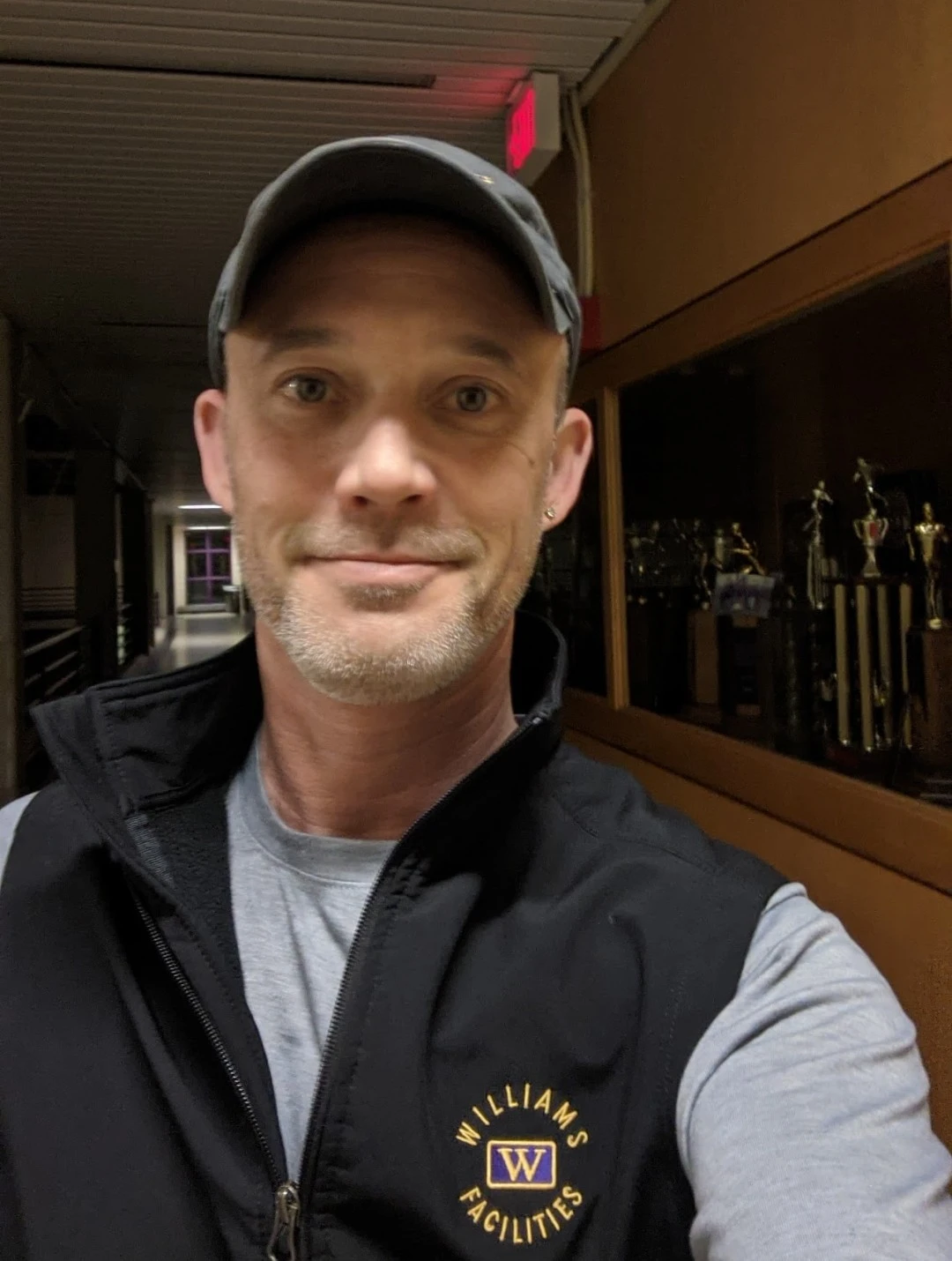
Jody Kocsis is a dependable team member dedicated to maintaining a safe, clean, and efficient facility environment. With a strong attention to detail and a commitment to quality, Jody supports daily operations and ensures a positive experience for all.

Eric Simmons is the Director of Case Management at Greylock Recovery, bringing more than 15 years of experience in behavioral health, substance use disorder treatment, residential programming, admissions, and case management. He has led program operations, patient advocacy initiatives, staff development, and outcome improvement efforts across residential and human service settings.
Prior to Greylock Recovery, Eric served as Director of Residential and Admissions Services for a local Berkshire county recovery facility, overseeing residential operations, admissions, referral development, and regulatory compliance. His expertise includes case management, discharge planning, community resource development, compliance, and staff training.
Eric earned a Bachelor of Arts in Sociology from Westfield State University, graduating Magna Cum Laude. He is committed to helping individuals overcome barriers to recovery and achieve lasting stability, while also serving his community as a youth football coach and mentor.
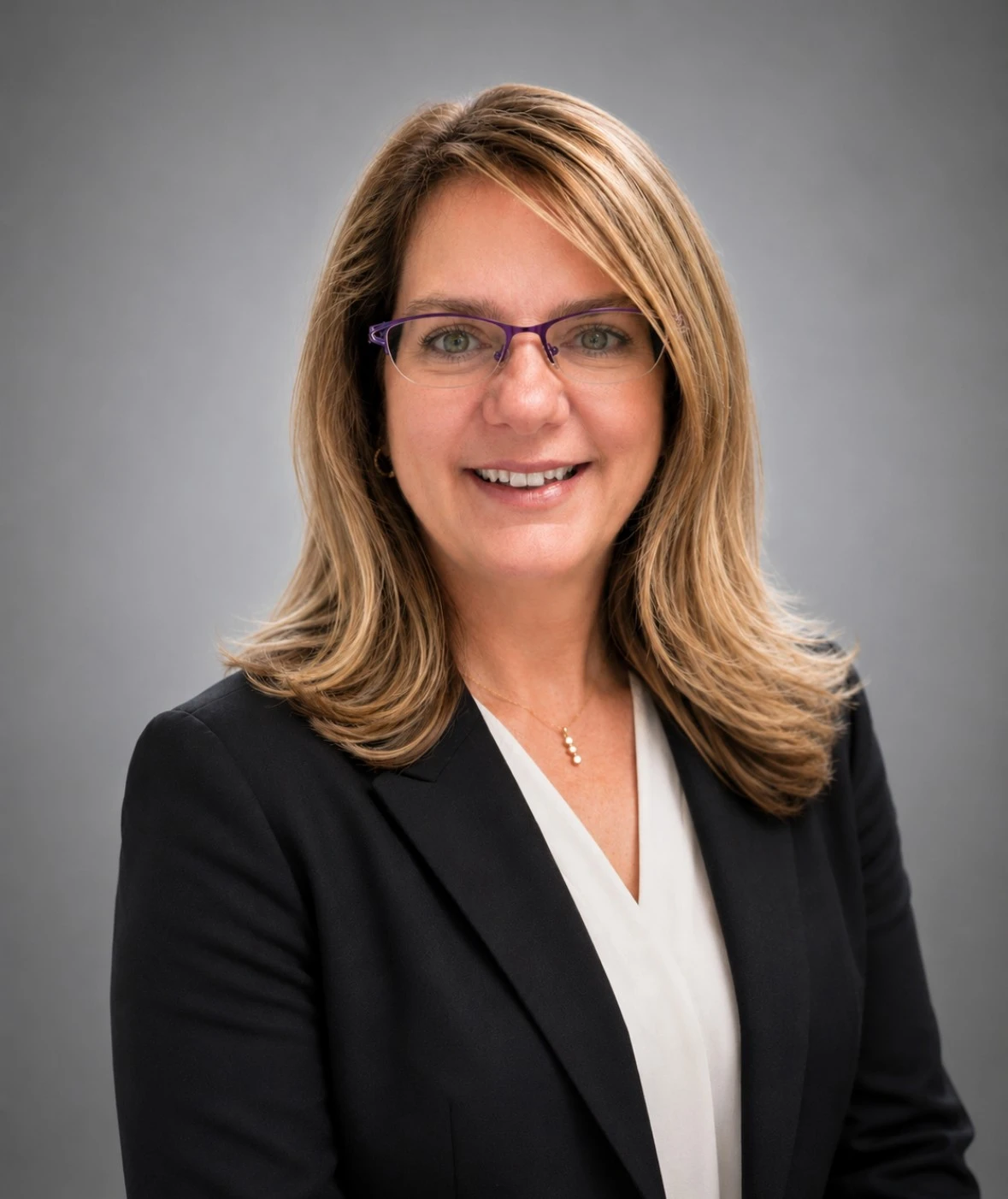
Jennifer Parsons is a seasoned human resources executive with more than 15 years of experience leading strategic HR initiatives, talent management, employee relations, and organizational development. Most recently, she served as Senior Vice President of Human Resources at Pittsfield Cooperative Bank, where she played a key role in fostering a positive workplace culture and supporting the organization’s growth and success.
Jennifer holds the Senior Professional in Human Resources (SPHR) certification from the Human Resource Certification Institute (HRCI), demonstrating her expertise and commitment to excellence in the HR profession. She also earned an associate’s degree in both Business Administration and Hospitality Administration, providing a strong foundation in leadership, operations, and customer service.
A Berkshire County native, Jennifer is deeply committed to her community and currently resides in the region with her family. In addition to her professional accomplishments, she serves on the Board of Directors for the Gladys Allen Brigham Center in Pittsfield, supporting the organization’s mission to empower women and strengthen the Community.
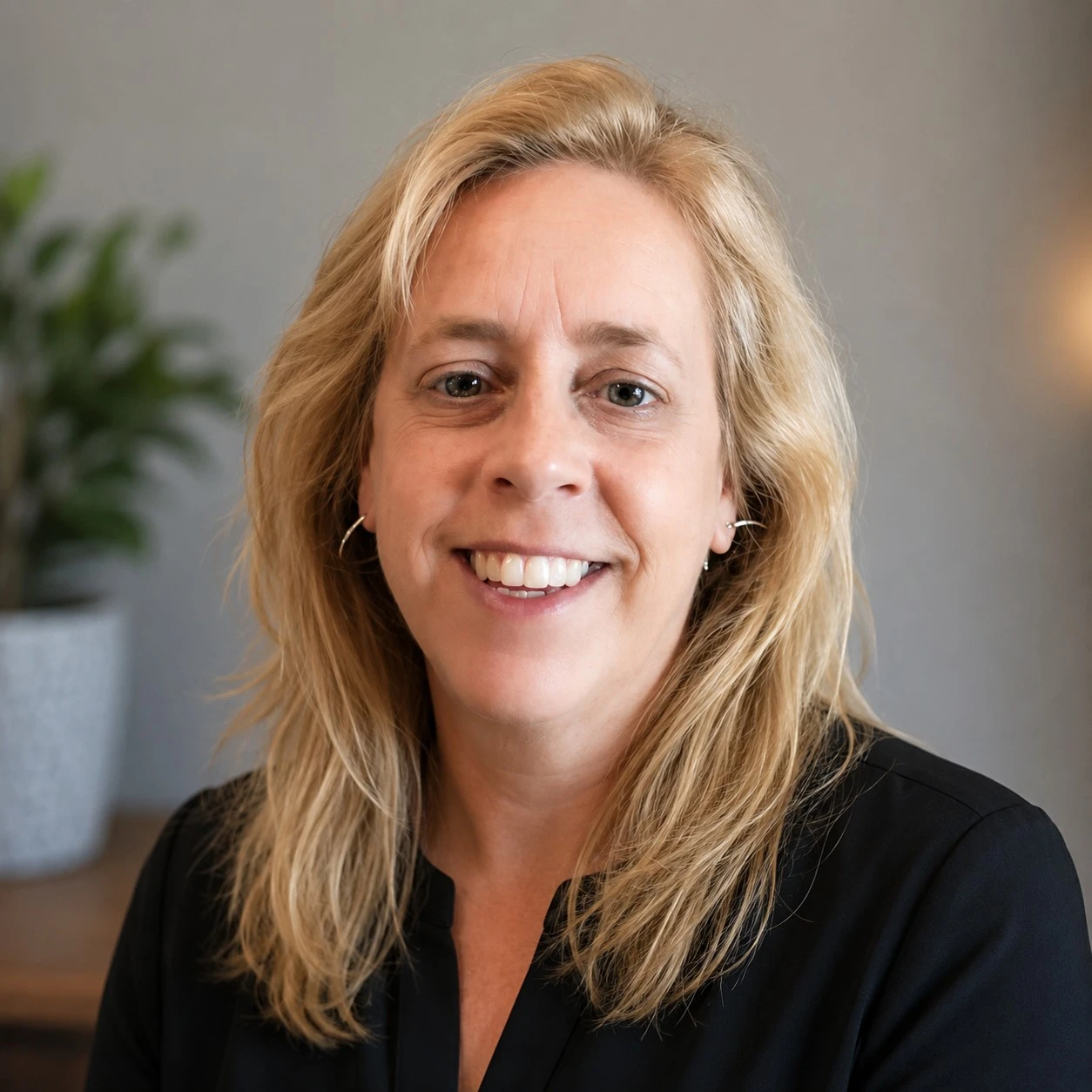
Jennifer Walker has been caring for others since 1989, starting out as a nurse’s aide and working her way through roles as a medical assistant, LPN, and RN. Along the way, she earned an associate’s degree in business administration and gathered an impressive range of experience—from primary care and long-term care to neurosurgery, neurology, colorectal surgery, orthopedics, and hospital-based surgical services. She’s also spent seven years helping individuals overcome substance use disorders, including time as a Director of Nursing, and has worked in hospice and with patients with disabilities.
But Jennifer’s dedication to people goes far beyond the workplace. A former foster parent and active supporter of local charities, she pours her heart into her community. When she’s not in scrubs, you can find her cheering at a sports game, tending to her garden, or enjoying laughter-filled moments with her family. Her blend of skill, heart, and positivity makes her not just a caregiver, but a true bright light for everyone she meets.
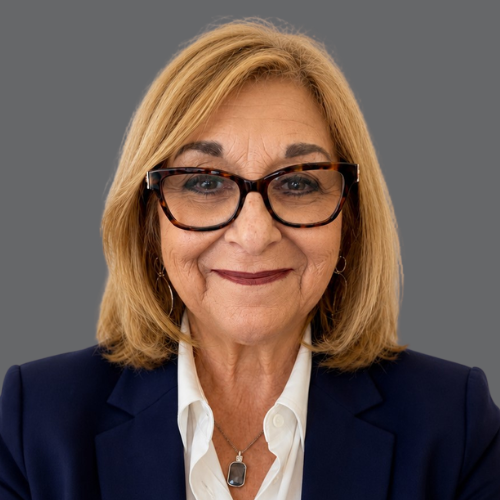
Elizabeth Azzariti, LICSW, is a seasoned clinical leader with over 10 years of experience in treating behavioral and addiction issues. After a successful 25-year career in the insurance industry, where she advanced to VP of Finance and Administration, she returned to school, earned her Master of Social Work from Wheelock College, and launched a new career dedicated to behavioral health. In her new role as Clinical Director at Greylock Recovery, she brings deep expertise in clinical operations, program development, and multidisciplinary team leadership. Most recently, as Executive Director at Nulife Behavioral Health, she served as both Clinical and Executive Director, leading the launch of PHP, IOP, TMS, Alumni, and Family programs while overseeing clinical staff hiring, supervision, and operations. She designed and implemented a 16-week evidence-based curriculum for co-occurring disorders that boosted attendance, retention, and patient outcomes. Her prior leadership roles include Clinical Supervisor at Blue Hills Recovery—directing multidisciplinary teams across PHP, IOP, and 24/7 residential programs—and at New England Recovery Center. EMDR-trained and specializing in trauma-informed care and integrated treatment, Elizabeth is passionate about delivering high-quality clinical care that supports lasting recovery for individuals and families.
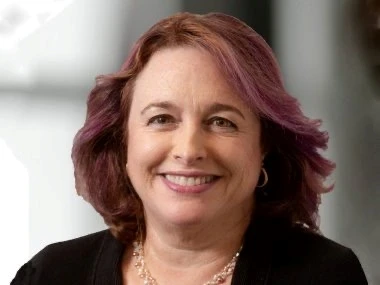
Flora Sadri-Azarbayejani’s journey in the field of healthcare began at Boston University, where she earned her undergraduate degree in biomedical engineering.
Dr. Sadri-Azarbayejani pursued dual master’s degrees at Boston University, specializing in epidemiology and biostatistics, and medical science. She then attained her doctorate in medicine from the University of New England College of Osteopathic Medicine. Dr. Sadri-Azarbayejani’s professional career commenced as an epidemiologist in infectious disease at the Massachusetts Department of Public Health.
Eventually appointed as the Chief Medical Officer.She became board certified in addiction medicine and worked in the addiction space since 2014. She has worked both inpatient and outpatient addiction medicine. Opening programs in both arenas.
Currently serves as the medical director for substance use services at Lowell Community Health Center and for an inpatient addiction treatment center. Dr. Sadri-Azarbayejani is an active and engaged member of various medical societies, including the Massachusetts Medical Society, the American Academy of Family Physicians (AAFP), and the American Society of Addiction Medicine (ASAM).
Involved with development of CARF guidelines for outpatient addiction treatment programs. She also hopes to make an impact on passing legislation of supervised consumption sites in the near future.
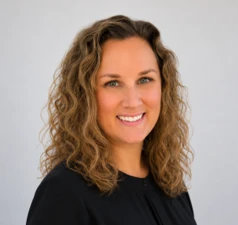
Lauren Temple is a Licensed Clinical Social Worker (LICSW) bringing over 15 years of dedicated leadership in the behavioral health sector, with extensive expertise spanning inpatient, outpatient, and substance use disorder programming. She obtained her Master of Science in Social Administration from Case Western Reserve University and holds dual licensure as an LICSW in Massachusetts and an LISW-S in Ohio. Serving as the Executive Director for Greylock Recovery, Lauren manages clinical operations, regulatory adherence, and strategic growth to uphold the highest standards of patient-centric treatment.
Her professional background includes directing diverse clinical teams, broadening service accessibility, and overseeing quality improvement efforts while navigating complex accreditation and state regulatory cycles. Lauren remains deeply invested in cultivating elite clinical staff, improving recovery metrics, and championing evidence-based advancements in behavioral health care.