
There’s a kind of fear that changes a parent permanently.
Not regular fear. Not the kind that passes after a difficult conversation or a bad night.
The kind that settles into your nervous system after you’ve watched your child overdose more than once.
After that, many parents stop fully relaxing. Sleep becomes lighter. Phones stay close. Every unknown number feels dangerous. Every silence stretches too long.
And if your son refuses meetings, refuses treatment, or insists he’s “fine,” it can leave you feeling trapped between panic and helplessness.
At Greylock Recovery, we speak with parents carrying this exact exhaustion every day. Some arrive terrified. Some emotionally numb. Some feel guilty for being angry. Others are barely holding themselves together after years of trying to save someone they love.
Many begin exploring live-in addiction treatment support not because they’ve given up hope—but because they’re realizing this situation may need more support than family alone can provide.
If that’s where you are right now, you are not weak for feeling overwhelmed.
And you are not failing because you don’t know what to do anymore.
Meetings Are Not the Only Path Into Recovery
A lot of parents become terrified when their child refuses meetings.
They think:
If he won’t go to meetings, does that mean he doesn’t want help?
Not necessarily.
Meetings help many people. They create connection, accountability, routine, and community. But they are not the only doorway into recovery.
Some young adults feel deeply uncomfortable in group settings. Some carry social anxiety or trauma. Some feel ashamed walking into a room where they immediately have to confront what’s happening. Others simply shut down when they feel pressured.
And honestly, some people are still too overwhelmed physically and emotionally to imagine recovery clearly yet.
That doesn’t mean they are hopeless.
It means the approach may need to look different.
Parents often feel desperate for their child to “want it.” But motivation is complicated during active opioid addiction. Fear, shame, withdrawal, depression, and emotional avoidance all collide at once.
Sometimes people refuse meetings not because they don’t care—but because they feel emotionally incapable of facing themselves yet.
Repeated Overdoses Change Families Too
Parents often focus so intensely on keeping their child alive that they stop noticing what this experience is doing to them personally.
But repeated overdoses affect entire families emotionally, physically, and psychologically.
Many parents describe:
- Constant hypervigilance
- Panic whenever the phone rings
- Trouble sleeping through the night
- Obsessive checking behaviors
- Difficulty concentrating at work
- Emotional numbness mixed with bursts of panic
- Feeling guilty whenever they experience joy
- Isolation from friends who “don’t understand”
Some parents quietly begin structuring their entire lives around crisis prevention.
You may find yourself watching your son’s breathing while he sleeps. Listening carefully to his footsteps. Studying his eyes. Searching for signs you missed before.
That level of stress changes the body over time.
It’s like living through a storm that never fully leaves town.
Shame Is Often Louder Than Parents Realize
From the outside, opioid addiction can sometimes look careless or manipulative.
But internally, many young adults are drowning in shame long before they admit it openly.
Especially after overdoses.
Especially after seeing fear in their parents’ faces.
Especially after breaking promises they genuinely meant at the time.
A lot of young people carry an internal narrative that sounds something like:
I’ve already ruined everything.
Everyone is disappointed in me.
What’s the point anymore?
And shame rarely motivates healing.
More often, it pushes people deeper into hiding.
That’s part of why some individuals avoid meetings or treatment conversations entirely. Sitting in a room and acknowledging reality can feel emotionally unbearable when someone already feels consumed by self-hatred.
This does not excuse harmful behavior.
But understanding the emotional landscape matters because shame and addiction often feed each other in cycles.
Love Cannot Compete With Opioids Alone
This is one of the hardest truths parents face.
Love matters deeply. Family support matters deeply. Connection absolutely matters.
But addiction changes the brain’s reward system, survival instincts, emotional regulation, and impulse control in ways families cannot simply “love away.”
If love alone could stop opioid addiction, many parents would have already saved their children years ago.
That reality is heartbreaking.
Not because you failed.
Because opioid addiction is powerful, medically complex, and emotionally devastating.
Parents often blame themselves endlessly:
- “Maybe I was too strict.”
- “Maybe I enabled too much.”
- “Maybe I missed the signs.”
- “Maybe if I’d handled that conversation differently…”
But self-blame rarely creates clarity.
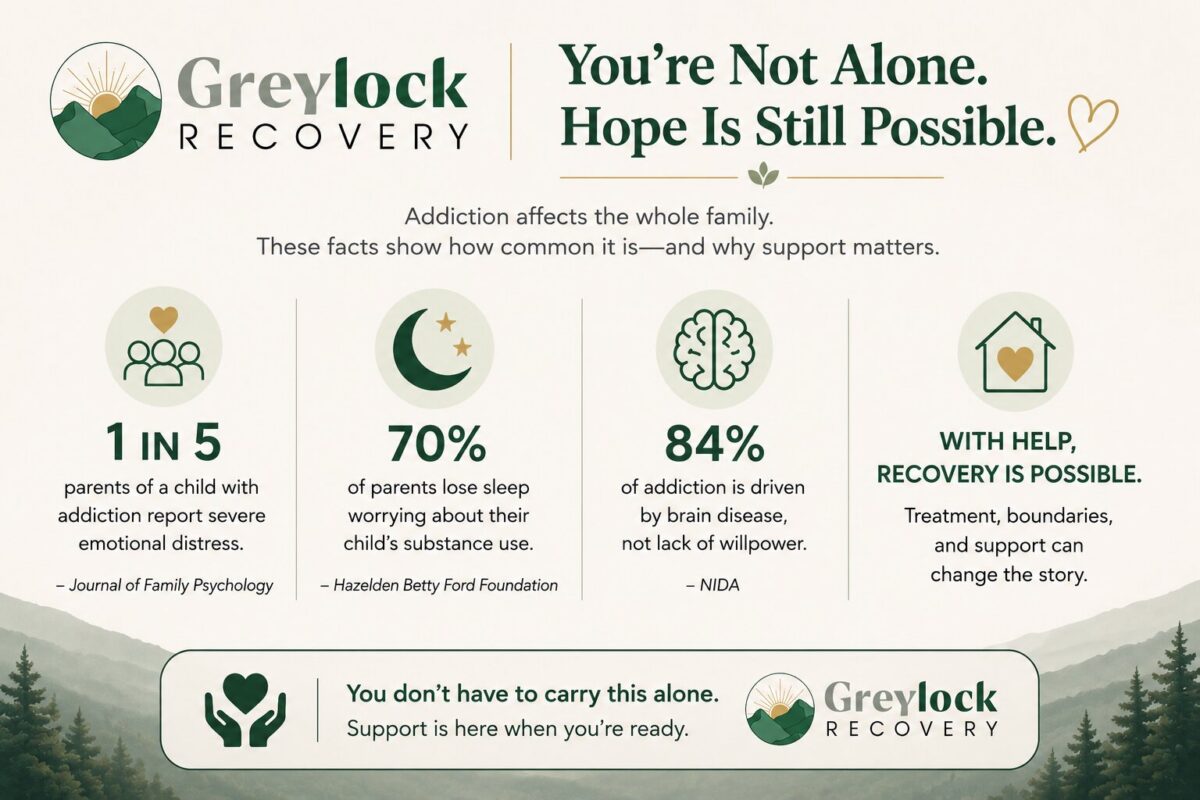
Professional support matters because addiction eventually becomes larger than what families can manage alone—especially after repeated overdoses.
Boundaries Feel Impossible When You’re Afraid They Could Die
Many parents become trapped between two terrifying fears:
- If I push too hard, I’ll lose him.
- If I don’t push hard enough, I’ll lose him.
That emotional position is brutal.
And there are no perfect scripts for it.
Some parents begin giving money out of panic. Others stop setting any limits because they fear conflict could trigger another overdose. Some swing between anger and rescuing because they’re emotionally exhausted.
Boundaries are complicated when addiction is involved because parents are not dealing with ordinary conflict. They are dealing with survival fear.
But boundaries are not abandonment.
Sometimes boundaries are the only thing preventing an entire family from collapsing under the weight of the addiction too.
A boundary might sound like:
- “I love you, but I can’t give you cash.”
- “I will help you access treatment.”
- “I can’t pretend this is safe anymore.”
- “You are welcome here if certain safety expectations are respected.”
- “I am terrified too.”
Boundaries are not punishments.
They are attempts to create reality where denial has taken over.
Some People Need More Structure Than Meetings Can Provide
For some individuals, meetings are simply not enough support after repeated overdoses or long-term opioid use.
This matters.
Some people need:
- Medical stabilization
- Safe withdrawal management
- Trauma-informed therapy
- Distance from unsafe environments
- Medication-assisted care
- Structured daily support
- Round-the-clock supervision
Especially after multiple overdoses, the nervous system can become deeply dysregulated. Many young adults are not just battling cravings—they’re battling hopelessness, shame, depression, trauma, anxiety, and physical dependence simultaneously.
That’s why more intensive support sometimes becomes necessary.
For families searching for opioid addiction help Massachusetts, treatment may involve therapy, medication-assisted support, medical monitoring, and live-in addiction recovery care designed to create enough safety and structure for healing to begin.
Not because someone is broken.
Because their body and brain have been surviving in crisis mode for a very long time.
Parents Need Support Too
This part often gets ignored completely.
Parents become so focused on saving their child that they quietly disappear emotionally themselves.
Your life may now revolve around:
- Monitoring behavior
- Checking phones
- Calling hospitals
- Watching for overdose symptoms
- Managing fear constantly
- Trying not to panic
- Trying not to cry
- Trying not to make things worse
And eventually, many parents become emotionally exhausted in ways they don’t fully recognize until they completely break down.
You deserve support too.
Not because this is your fault.
Because trauma spreads through families silently.
Therapy, family support groups, education, and professional guidance can help parents regain emotional stability, communicate more clearly, and survive the overwhelming uncertainty addiction creates.
Parents often feel guilty for needing help themselves.
Please don’t.
You are carrying something extraordinarily heavy.
Hope Rarely Arrives All at Once
Many families imagine recovery beginning with one dramatic breakthrough moment.
Sometimes that happens.
More often, it begins quietly.
A son agreeing to one appointment.
One honest conversation.
One detox admission.
One moment where they finally admit:
“I’m tired.”
Recovery usually unfolds unevenly. Forward movement often comes in fragments before it becomes consistent.
And even if your son refuses meetings right now, that does not automatically mean he will refuse help forever.
People change.
Fear changes.
Pain changes.
Sometimes survival instinct eventually becomes stronger than denial.
Sometimes one conversation lands differently than the hundred before it.
You Do Not Have to Wait for the Worst-Case Scenario
A lot of parents delay reaching out because they think things are “not bad enough yet.”
But repeated overdoses are already serious.
And you do not need to navigate this alone before asking questions, exploring options, or speaking with professionals who understand opioid addiction and family trauma.
Support is not only for people fully ready for recovery.
Support is also for families trying desperately to keep hope alive while everything feels uncertain.
FAQ
What should I do if my son refuses meetings?
Meetings are not the only path into recovery. Some people need different approaches, including therapy, medication-assisted treatment, structured care, or individualized treatment plans. Refusing meetings does not automatically mean someone is beyond help.
Why does my child keep overdosing even after promises to stop?
Opioid addiction changes brain chemistry, impulse control, and physical dependence. Many people genuinely want to stop but struggle to maintain recovery without structured support and medical care.
Am I enabling by helping my child?
This depends on the situation. Emotional support is different from unintentionally supporting active substance use. Families often benefit from professional guidance around boundaries, communication, and safety planning.
Should I force my son into treatment?
Every situation is different. Some families pursue interventions or emergency stabilization after repeated overdoses. Speaking with addiction professionals can help determine the safest and most realistic next steps.
Can someone recover if they don’t want help yet?
Motivation can change over time. Many people who initially resisted treatment later became open to support after conversations, consequences, health scares, or emotional exhaustion.
What if I’m emotionally exhausted?
That response is normal. Parents living through repeated overdoses often experience trauma symptoms themselves. Seeking support for yourself is not selfish—it’s necessary.
What kinds of treatment help after repeated overdoses?
Some individuals benefit from medical detox, medication-assisted care, therapy, family support, and structured live-in treatment environments that provide safety and stability away from triggers and chaos.
Call (413) 848-6013 or visit Greylock Recovery’s residential addiction treatment services to learn more about addiction recovery programs and compassionate support.