
There’s a version of this conversation people rarely say out loud.
It usually doesn’t begin with, “I want to get sober.”
It begins with:
Can I still work if I do this?
Will I still feel creative?
Am I going to lose myself completely?
For a lot of people considering treatment, those fears are bigger than withdrawal itself.
Because addiction is painful. But identity loss? That can feel terrifying in a different way.
At Greylock Recovery, we hear this from people every day exploring medication assisted treatment options. Not because they don’t want help. Not because they don’t care about recovery.
Because they still care deeply about their life.
Their job. Their personality. Their ability to drive to work at 6am. Their music. Their parenting. Their relationships. Their energy. Their sense of self.
And honestly, those fears deserve more compassion than they usually get.
A Lot of People Use Substances to Stay Functional, Not Fall Apart
This is one of the most misunderstood parts of addiction.
Many people are not using because they want to destroy their lives. They’re using because they’re trying to survive their lives.
Some are carrying trauma they never processed. Some are emotionally overwhelmed all the time. Some feel pressure to constantly perform, create, achieve, or appear okay. Others are simply exhausted from trying to hold themselves together.
For certain people, opioids initially feel less like escape and more like relief.
Like finally turning the volume down on a nervous system that never stops screaming.
That’s especially true for creative, emotionally intense, high-functioning people. People who feel deeply. People who overthink. People who move through the world with their emotional skin practically inside out.
And when substances become tied to emotional survival, getting sober can feel less like healing and more like risking the only coping mechanism that ever worked.
That fear is real.
The Question Underneath the Question
People often search things like:
- Which medication lets me work?
- Can I drive while in treatment?
- Which option feels more normal?
- Will I feel sedated all day?
- Can I still function if I start recovery?
But underneath those questions is usually another one:
Will I still feel like me?
That’s part of why conversations around buprenorphine vs methadone become emotionally charged so quickly. People aren’t just comparing medications. They’re trying to imagine what their future self might feel like.
And if someone has spent years afraid of losing control, becoming dependent, or feeling emotionally numb, those decisions can feel overwhelming.
Especially when internet opinions are loud, judgmental, and often deeply uninformed.
Recovery Isn’t Supposed to Punish You for Being Human
A lot of people enter treatment expecting shame.
They expect to be talked down to. Judged. Treated like they’ve ruined everything.
Especially high-functioning people who managed to keep careers, relationships, or responsibilities intact while privately struggling.
They often tell themselves:
“You should’ve figured this out already.”
“You’re too smart for this.”
“You’re going to disappoint everyone.”
But addiction does not care how intelligent, talented, successful, or creative someone is.
And treatment should not feel like punishment for needing help.
A good recovery plan should support your life—not erase it.
That means conversations about work schedules matter. Parenting responsibilities matter. Emotional stability matters. Side effects matter. Daily functioning matters.
You are allowed to care about those things while still wanting recovery.
Stability Can Feel Strange at First
One thing people rarely talk about honestly is how emotionally disorienting early recovery can feel.
Especially for people used to intensity.
When your nervous system has spent years bouncing between anxiety, withdrawal, relief, guilt, exhaustion, panic, and emotional chaos, calm can feel unfamiliar. Sometimes even uncomfortable.
A quieter life can initially feel empty instead of peaceful.
That doesn’t mean treatment is failing.
It means your brain and body are adjusting to a reality where survival mode is no longer running every decision.
For some people, medication-assisted care creates enough steadiness for that adjustment to happen safely.
Not perfectly.
Not instantly.
Just safely enough to begin rebuilding something real.
There Is No “Strong” or “Weak” Way to Recover
A lot of stigma still exists around medication-assisted treatment.
Some people worry it means they aren’t “really sober.” Others fear becoming dependent on medication forever. Some have heard horror stories online and feel paralyzed trying to choose the “right” path.
But recovery is not a purity contest.
Staying alive matters.
Functioning matters.
Being emotionally present matters.
For some people, methadone provides consistency, accountability, and structure that helps stabilize years of severe opioid use. For others, buprenorphine offers flexibility that fits more naturally into work schedules, parenting responsibilities, or independent living.
Neither option makes someone weak.
Neither option automatically defines someone’s future.
And honestly, most people don’t need internet debates. They need individualized support from people who actually understand addiction medically and emotionally.
Some People Fear Losing Their Creativity More Than Withdrawal
This part matters.
A lot of creative people quietly believe substances are connected to their identity. Their writing. Their music. Their confidence. Their social ease. Their emotional depth.
They fear sobriety will flatten everything.
And if people dismiss that fear too quickly, it can make someone shut down entirely.
Because from the outside, it might look irrational.
But internally, it feels like grief.
Like preparing to lose a version of yourself you’ve depended on for years.
What many people discover later, though, is this:
Addiction often shrinks creativity long before sobriety ever could.
Not immediately. Not all at once.
But slowly.
The chaos becomes repetitive. Emotional range narrows. Relationships weaken. The nervous system becomes exhausted. Survival starts replacing curiosity.
One client once described active addiction as:
“Trying to paint while the room is constantly on fire.”
That image stays with people because it’s true.
Recovery does not erase emotional depth. It often gives people enough stability to finally access it without drowning inside it.
You’re Allowed to Want a Functional Life
There’s nothing shallow about wanting to drive safely, keep your job, care for your children, or maintain independence during treatment.
Those concerns are deeply human.
Especially for people who already feel like their life is hanging by a thread.
That’s why conversations around treatment should include practical realities:
- Daily schedules
- Transportation
- Work obligations
- Energy levels
- Emotional adjustment
- Long-term goals
- Privacy concerns
- Family responsibilities
People deserve honest conversations—not fear-based messaging or one-size-fits-all solutions.
Because recovery is not just about stopping substance use.
It’s about building a life someone can actually stay connected to afterward.
Sometimes the Scariest Part Is Letting People Help
Many people live in survival mode for so long that receiving support feels unnatural.
Even dangerous.
You become used to managing everything privately. Hiding symptoms. Minimizing pain. Pretending things are under control even when they clearly aren’t.
So asking for help can feel emotionally exposing in a way substances never did.
That vulnerability can be terrifying.
But it can also become the beginning of something gentler.
Not overnight transformation.
Not instant peace.
Just less isolation.
Sometimes that’s where healing really starts.
Choosing Treatment Does Not Mean Losing Yourself
This is important enough to say clearly:
You are not required to become emotionally flat, passive, boring, or personality-less in recovery.
You are still allowed to be intense.
Creative.
Funny.
Complicated.
Ambitious.
Sensitive.
Recovery is not supposed to erase your humanity. It’s supposed to help you reconnect with it.
And choosing support—including exploring options around buprenorphine vs methadone—does not mean surrendering your identity.
It means giving yourself a chance to keep living long enough to fully become yourself again.
FAQ
Will medication-assisted treatment make me feel numb?
Not necessarily. Many people actually feel more emotionally stable and mentally clear once they begin treatment. The goal is not emotional numbness—it’s reducing cravings, withdrawal symptoms, and the constant chaos that can come with opioid dependence.
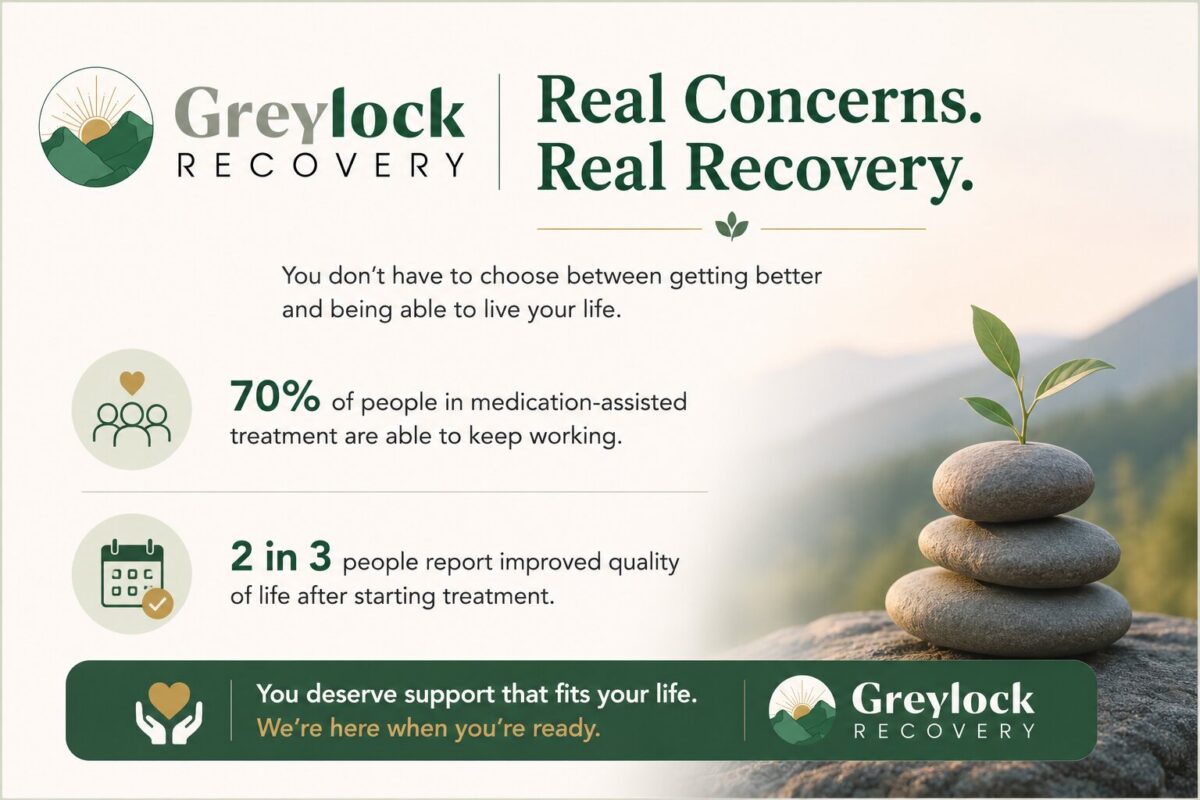
Can I still work while receiving treatment?
In many cases, yes. Treatment plans are often designed to help people maintain daily responsibilities while receiving support. Some medications and schedules may fit certain lifestyles better than others, which is why individualized care matters.
Can I drive while on medication-assisted treatment?
Many people continue driving safely while receiving treatment under proper medical supervision. However, everyone responds differently, especially early on, so it’s important to discuss this honestly with your provider.
Why are people so afraid of losing themselves in recovery?
For some individuals, substances become emotionally tied to creativity, confidence, connection, or relief from emotional pain. The fear is often less about sobriety itself and more about losing emotional familiarity or identity.
Is one medication “better” than the other?
There is no universal answer. Different people respond differently based on medical history, opioid use patterns, daily responsibilities, and personal needs. A good treatment provider helps determine what fits your situation—not someone else’s.
Does choosing medication-assisted treatment mean I’m weak?
No. Addiction is a medical and emotional condition, not a character flaw. Seeking support is often an act of survival, honesty, and courage.
How do I know if I’m ready for treatment?
Many people are not fully certain when they first reach out. You do not need complete confidence before asking questions or exploring support. Sometimes readiness grows after the conversation begins.
Call (413) 848-6013 or visit Greylock Recovery’s medication assisted services to learn more about treatment services and compassionate support.