From Detox to Recovery: How Opioid Addiction Treatment Works

From Detox to Recovery How Opioid Addiction Treatment Works

When you’re thinking about getting help for opioid addiction, the fear of the unknown can feel louder than the addiction itself. You know you need something to change. Maybe you’ve tried to quit before—cold turkey, on your own, in silence. Maybe this is your first time even saying the word “treatment” out loud.

What you need most right now isn’t a lecture or a sales pitch. You need clarity. You need to know what opioid addiction treatment actually looks like. Step by step. Realistically. Kindly.

At Greylock Recovery in Williamstown, Massachusetts, we help people move from uncertainty to action—with treatment that’s built to support, not shame. Here’s what to expect, and why it’s okay if you’re still scared.

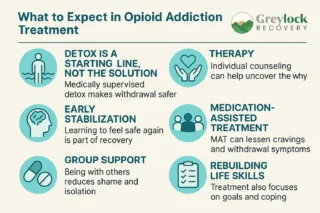
Detox Is a Starting Line, Not the Solution

Detox is the first step in opioid addiction treatment—but it’s often misunderstood. People imagine it’s the whole deal: you go in, sweat it out, come out clean. The end.

But here’s the truth: detox is not treatment—it’s preparation.

When you stop using opioids, your body goes into withdrawal. That can involve:

  • Muscle aches
  • Nausea or vomiting
  • Sweating, chills
  • Insomnia
  • Intense anxiety and cravings

Trying to manage this alone can be dangerous. Medically supervised detox makes this process safer. At Greylock, we coordinate with local detox providers to ensure that your transition is as physically manageable—and emotionally supported—as possible.

But the work doesn’t end when the drugs leave your system. That’s when the real healing begins.

Early Stabilization: Learning to Feel Safe Again

After detox, the fog begins to lift. But don’t be surprised if you still feel shaky. Recovery isn’t a light switch—it’s more like a slow sunrise.

During early stabilization, your brain and body are adjusting. You may:

  • Sleep too much or too little
  • Feel restless or emotionally raw
  • Struggle with shame, grief, or disorientation
  • Miss the numbness even as you’re glad it’s gone

This is normal.

Opioid addiction isn’t just a chemical dependency. It’s a relationship—with relief, escape, silence. In treatment, we help you build new forms of safety that don’t rely on substances. That might mean attending group therapy, learning how to regulate your nervous system, or simply sitting in a quiet room with someone who sees you without judgment.

Therapy Helps You Understand the Why

No one chooses opioid addiction because they’re weak. There is always a why—even if you don’t fully understand it yet.

Individual therapy is a safe place to explore that why. It might involve:

  • Talking through grief, trauma, or loss
  • Learning how anxiety shows up in your body
  • Naming what triggers your need to numb

Your therapist isn’t there to “fix” you. They’re there to walk beside you while you figure out how to live without disappearing. We move at your pace. We build trust before we ask you to dig deep. And when the hard feelings come, we help you hold them—so they don’t hold you hostage.

Group Support Reminds You You’re Not Alone

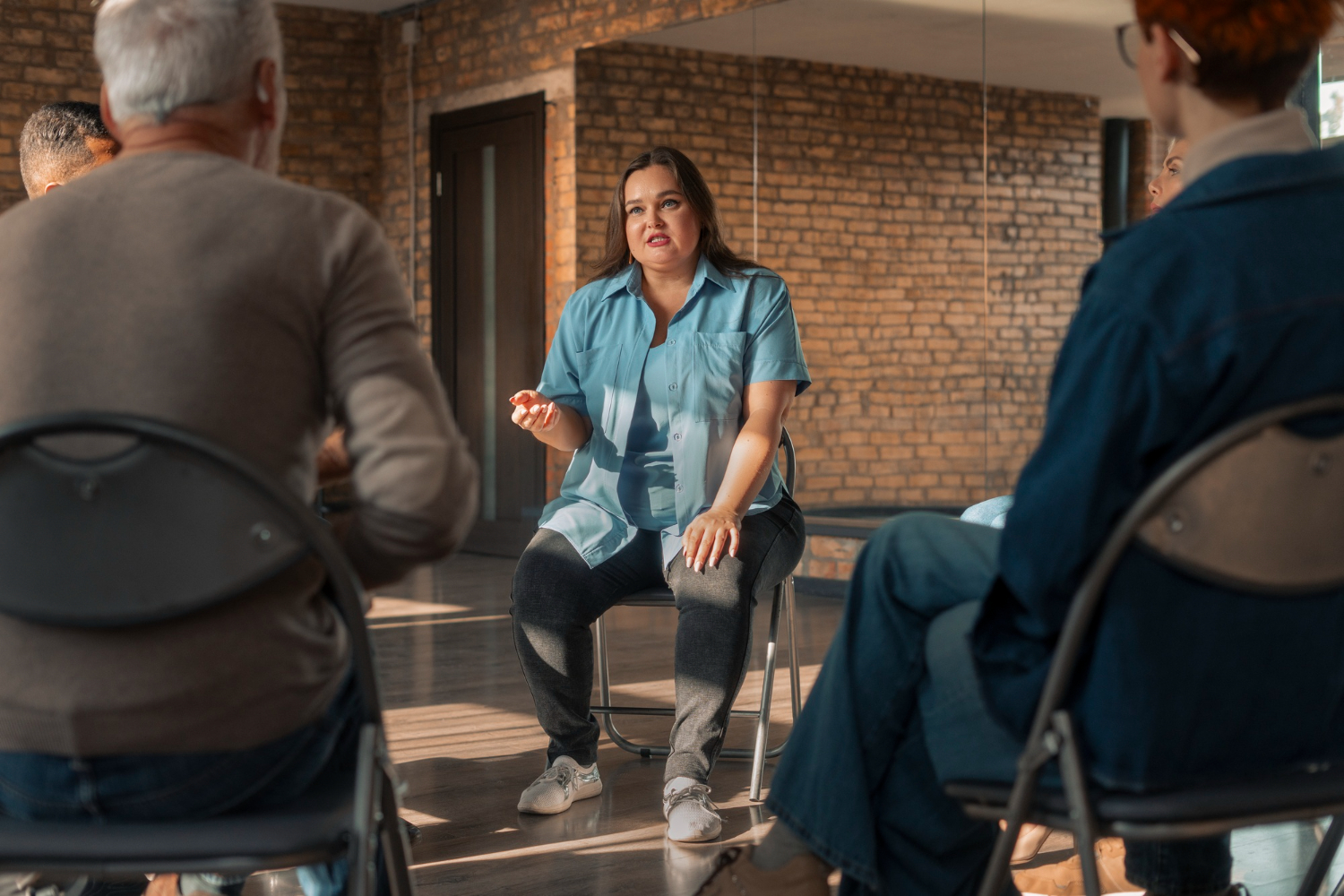
Group therapy might sound intimidating. But in opioid addiction treatment, it often becomes one of the most powerful parts of recovery.

Why? Because shame grows in isolation—and healing grows in shared space.

In group, you might hear someone say what you’ve been thinking but couldn’t say out loud:

  • “I didn’t think I’d ever get clean.”
  • “I’m scared I won’t feel normal again.”
  • “I still miss the quiet that opioids gave me.”

And instead of judgment? You get nods. You get stories. You get connection. That’s how recovery starts to feel less like punishment and more like coming home.
Opioid Recovery Stats

Medication-Assisted Treatment (MAT) Isn’t “Cheating”

There’s a lot of misinformation out there about MAT. Some people think it’s “trading one drug for another.” That’s not true.

MAT uses medications like Suboxone or Methadone to reduce cravings and withdrawal symptoms. It gives your brain the stability it needs to heal. For some, it’s a bridge to full abstinence. For others, it’s part of a long-term plan.

At Greylock, we support MAT as one option—not the only one. You won’t be pressured. We’ll talk through the benefits, risks, and what feels right for you.

Recovery isn’t one-size-fits-all. And MAT doesn’t make you “less sober.” It makes you safer.

Rebuilding Life Skills and Purpose

After the crisis phase passes, you may feel a strange emptiness. You’ve stopped using. The chaos is gone. But now what?

This part of treatment focuses on rebuilding the life addiction put on pause. That might look like:

  • Learning how to manage stress without substances
  • Rebuilding relationships damaged by use
  • Exploring work, school, or service opportunities
  • Creating healthy routines and self-care habits

It’s okay if this part feels awkward or even boring at first. Think of it like emotional physical therapy—you’re learning to move through life differently, one step at a time.

Is It Normal to Feel Scared, Even in Recovery?

Yes. Fear doesn’t mean you’re doing it wrong. It means you’re awake.

Opioids numb everything—pain, joy, sadness, connection. When they’re gone, your emotional range starts to return. That can be overwhelming.

You might:

  • Grieve what you lost during your addiction
  • Feel unsure of who you are without substances
  • Wonder if recovery is really “worth it”

These thoughts are common. We talk about them. We don’t avoid them or shame them. And we remind you: healing isn’t about being fearless. It’s about learning how to keep going even when you’re scared.

What Opioid Addiction Treatment Looks Like at Greylock Recovery

At Greylock Recovery, our outpatient opioid addiction treatment program in Williamstown is built around compassion, flexibility, and clear support. Whether you’re stepping down from a higher level of care or beginning your journey here, we offer:

  • Weekly individual therapy with licensed clinicians
  • Process and skills-based groups focused on opioid recovery
  • Medication-assisted treatment support when clinically appropriate
  • Coordination with local detox or residential programs if needed

We won’t overwhelm you with paperwork or pressure. We’ll start by learning your story, helping you settle in, and building trust. From there, we walk together.

FAQs About Opioid Addiction Treatment

What’s the difference between detox and treatment?
Detox is the short-term medical process of clearing substances from your body. Treatment is the ongoing emotional, mental, and behavioral healing work that helps prevent relapse and build a life in recovery.

How long does opioid addiction treatment take?
There’s no single timeline. Some people engage in outpatient treatment for a few months, others for a year or more. Healing is not a race. Our team works with you to set a pace that supports both safety and sustainability.

Can I work or go to school during treatment?
Yes. Outpatient treatment at Greylock is designed to integrate with your daily life. We offer flexible scheduling and help you balance recovery with responsibilities.

What if I relapse?
Relapse isn’t failure. It’s information. If it happens, we’ll talk about what led up to it and what support you need now. You’ll never be shamed or turned away.

Do I have to take medication to be in your program?
No. MAT is an option—not a requirement. We’ll talk about whether it’s right for you and support whatever path you choose.

Thinking about starting? We’re here when you are.
Call us at (413) 848-6013 or visit Greylock Recovery’s opioid addiction treatment in Williamstown, Massachusetts to learn more. Whether you’re still using or newly sober, we’ll meet you where you are—with respect, not pressure.
Call to Connect

You don’t have to be ready for everything. You just have to be ready for one step.

Call Our Free

24 Hour Helpline
Get The Help You Need
Counselors are standing by

Jody Kocsis is a dependable team member dedicated to maintaining a safe, clean, and efficient facility environment. With a strong attention to detail and a commitment to quality, Jody supports daily operations and ensures a positive experience for all.

Eric Simmons is the Director of Case Management at Greylock Recovery, bringing more than 15 years of experience in behavioral health, substance use disorder treatment, residential programming, admissions, and case management. He has led program operations, patient advocacy initiatives, staff development, and outcome improvement efforts across residential and human service settings.

Prior to Greylock Recovery, Eric served as Director of Residential and Admissions Services for a local Berkshire county recovery facility, overseeing residential operations, admissions, referral development, and regulatory compliance. His expertise includes case management, discharge planning, community resource development, compliance, and staff training.

Eric earned a Bachelor of Arts in Sociology from Westfield State University, graduating Magna Cum Laude. He is committed to helping individuals overcome barriers to recovery and achieve lasting stability, while also serving his community as a youth football coach and mentor.

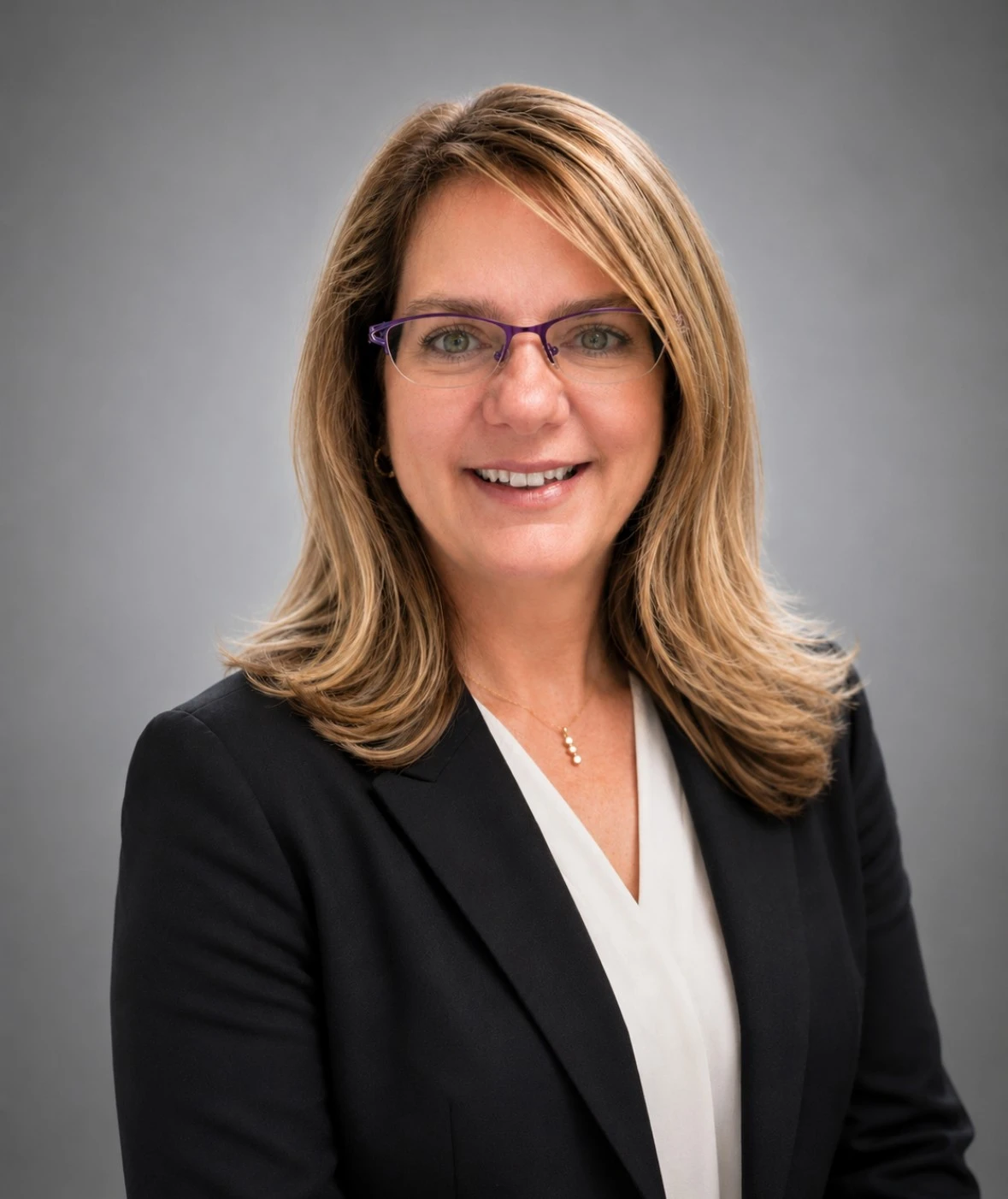
Jennifer Parsons is a seasoned human resources executive with more than 15 years of experience leading strategic HR initiatives, talent management, employee relations, and organizational development. Most recently, she served as Senior Vice President of Human Resources at Pittsfield Cooperative Bank, where she played a key role in fostering a positive workplace culture and supporting the organization’s growth and success.

Jennifer holds the Senior Professional in Human Resources (SPHR) certification from the Human Resource Certification Institute (HRCI), demonstrating her expertise and commitment to excellence in the HR profession. She also earned an associate’s degree in both Business Administration and Hospitality Administration, providing a strong foundation in leadership, operations, and customer service.

A Berkshire County native, Jennifer is deeply committed to her community and currently resides in the region with her family. In addition to her professional accomplishments, she serves on the Board of Directors for the Gladys Allen Brigham Center in Pittsfield, supporting the organization’s mission to empower women and strengthen the Community.

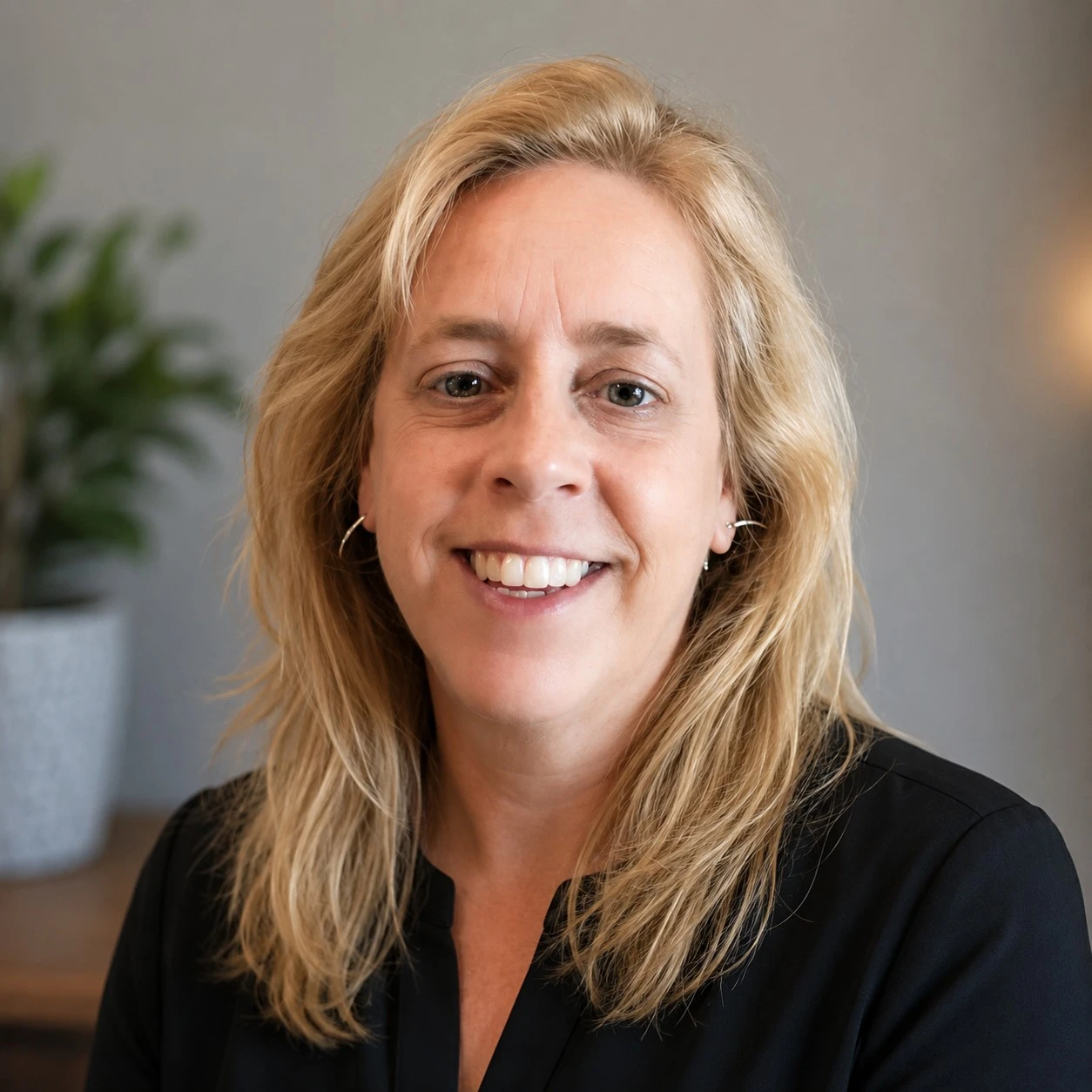
Jennifer Walker has been caring for others since 1989, starting out as a nurse’s aide and working her way through roles as a medical assistant, LPN, and RN. Along the way, she earned an associate’s degree in business administration and gathered an impressive range of experience—from primary care and long-term care to neurosurgery, neurology, colorectal surgery, orthopedics, and hospital-based surgical services. She’s also spent seven years helping individuals overcome substance use disorders, including time as a Director of Nursing, and has worked in hospice and with patients with disabilities.

But Jennifer’s dedication to people goes far beyond the workplace. A former foster parent and active supporter of local charities, she pours her heart into her community. When she’s not in scrubs, you can find her cheering at a sports game, tending to her garden, or enjoying laughter-filled moments with her family. Her blend of skill, heart, and positivity makes her not just a caregiver, but a true bright light for everyone she meets.

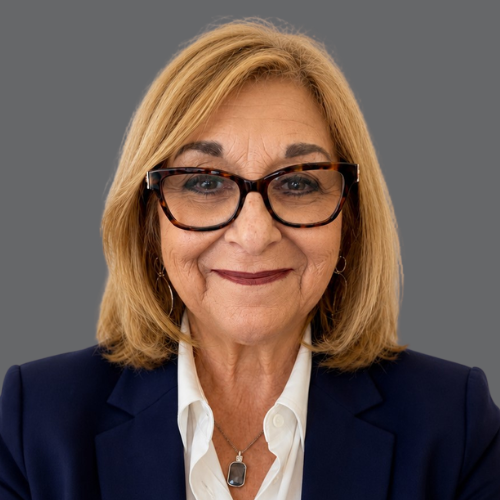
Elizabeth Azzariti, LICSW,

Elizabeth Azzariti, LICSW, is a seasoned clinical leader with over 10 years of experience in treating behavioral and addiction issues. After a successful 25-year career in the insurance industry, where she advanced to VP of Finance and Administration, she returned to school, earned her Master of Social Work from Wheelock College, and launched a new career dedicated to behavioral health. In her new role as Clinical Director at Greylock Recovery, she brings deep expertise in clinical operations, program development, and multidisciplinary team leadership. Most recently, as Executive Director at Nulife Behavioral Health, she served as both Clinical and Executive Director, leading the launch of PHP, IOP, TMS, Alumni, and Family programs while overseeing clinical staff hiring, supervision, and operations. She designed and implemented a 16-week evidence-based curriculum for co-occurring disorders that boosted attendance, retention, and patient outcomes. Her prior leadership roles include Clinical Supervisor at Blue Hills Recovery—directing multidisciplinary teams across PHP, IOP, and 24/7 residential programs—and at New England Recovery Center. EMDR-trained and specializing in trauma-informed care and integrated treatment, Elizabeth is passionate about delivering high-quality clinical care that supports lasting recovery for individuals and families.

Flora Sadri-Azarbayejani’s journey in the field of healthcare began at Boston University, where she earned her undergraduate degree in biomedical engineering.

Dr. Sadri-Azarbayejani pursued dual master’s degrees at Boston University, specializing in epidemiology and biostatistics, and medical science. She then attained her doctorate in medicine from the University of New England College of Osteopathic Medicine. Dr. Sadri-Azarbayejani’s professional career commenced as an epidemiologist in infectious disease at the Massachusetts Department of Public Health.

Eventually appointed as the Chief Medical Officer.She became board certified in addiction medicine and worked in the addiction space since 2014. She has worked both inpatient and outpatient addiction medicine. Opening programs in both arenas.

Currently serves as the medical director for substance use services at Lowell Community Health Center and for an inpatient addiction treatment center. Dr. Sadri-Azarbayejani is an active and engaged member of various medical societies, including the Massachusetts Medical Society, the American Academy of Family Physicians (AAFP), and the American Society of Addiction Medicine (ASAM).

Involved with development of CARF guidelines for outpatient addiction treatment programs. She also hopes to make an impact on passing legislation of supervised consumption sites in the near future.

Lauren Temple is a Licensed Clinical Social Worker (LICSW) bringing over 15 years of dedicated leadership in the behavioral health sector, with extensive expertise spanning inpatient, outpatient, and substance use disorder programming. She obtained her Master of Science in Social Administration from Case Western Reserve University and holds dual licensure as an LICSW in Massachusetts and an LISW-S in Ohio. Serving as the Executive Director for Greylock Recovery, Lauren manages clinical operations, regulatory adherence, and strategic growth to uphold the highest standards of patient-centric treatment.

Her professional background includes directing diverse clinical teams, broadening service accessibility, and overseeing quality improvement efforts while navigating complex accreditation and state regulatory cycles. Lauren remains deeply invested in cultivating elite clinical staff, improving recovery metrics, and championing evidence-based advancements in behavioral health care.