
You notice it in small ways first.
The mornings that start too late.
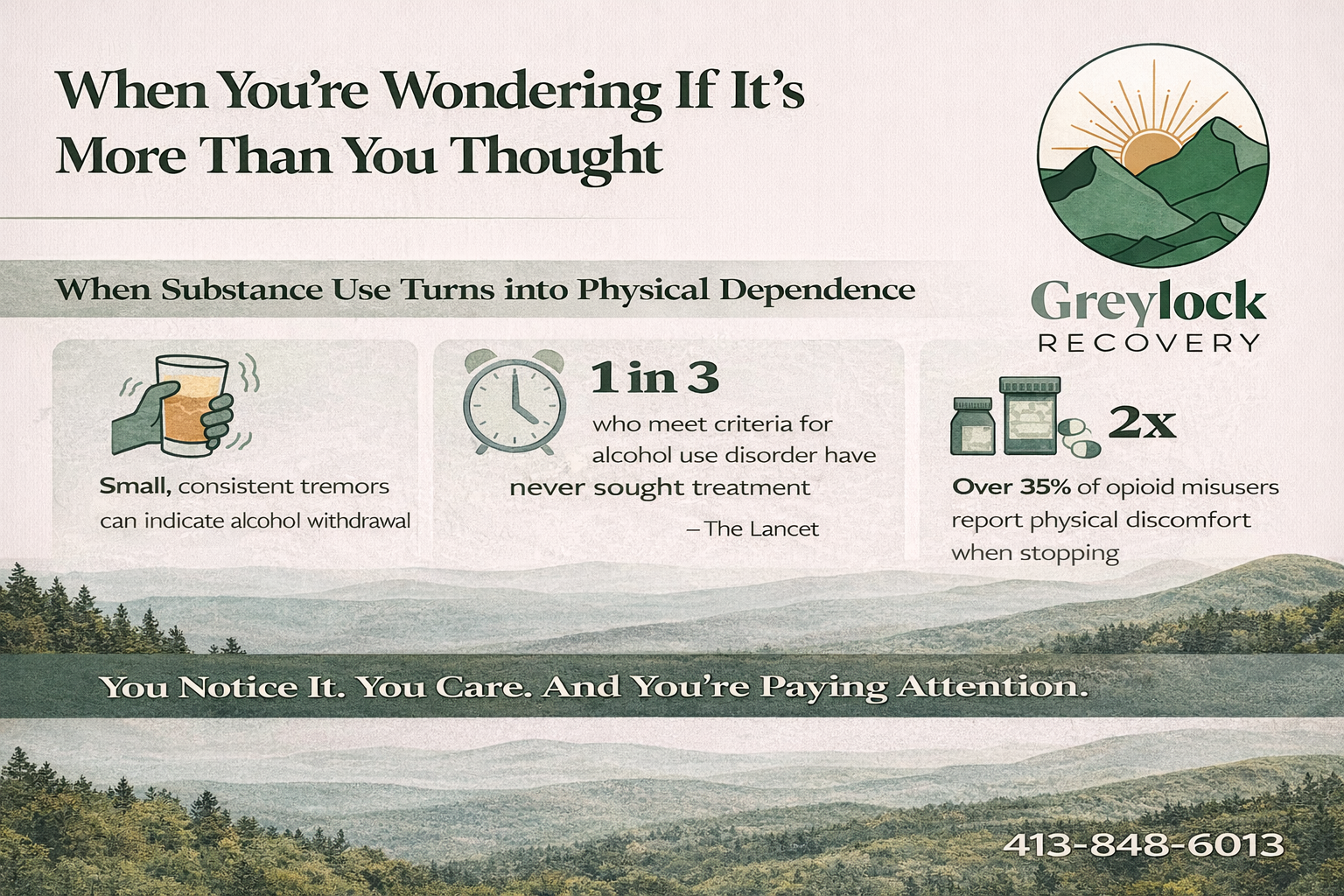
The way their hands shake slightly before they’ve had anything.
The shift in mood—irritated, distant, then suddenly “fine” after something changes.
And somewhere in your mind, a question keeps repeating:
Is this still something they can grow out of… or is this something more?
If you’ve found yourself searching late at night, trying to make sense of it—even landing on something like residential addiction treatment options—you’re not overreacting.
You’re paying attention.
And that matters more than you think.
When It Stops Looking Like Choice
One of the hardest shifts for parents to process is this:
The moment substance use stops looking like a decision… and starts looking like a need.
At first, it might have been social. Occasional. Situational.
Then it becomes predictable.
They need something to steady themselves.
To feel normal.
To get through the day.
You might notice things like alcohol withdrawal shakes morning after morning—subtle at first, then harder to ignore.
That’s not about bad decisions anymore.
That’s the body adapting.
And once the body is involved, the situation changes.
Why This Feels So Confusing (and So Personal)
Parents often carry two conflicting thoughts at once:
They’re struggling.
But they should be able to stop.
That tension creates guilt, frustration, and a constant second-guessing of your own instincts.
You may wonder:
- Did I miss something?
- Did I not do enough?
- Am I doing too much?
Let’s ground this in something important:
Addiction isn’t a reflection of your parenting.
And when physical dependence develops, it’s not something your child can simply think their way out of.
Why “Trying Harder” Hasn’t Worked
You’ve probably already tried more than most people realize.
Conversations.
Boundaries.
Support.
Maybe even previous treatment attempts.
So when nothing sticks, it can feel like failure.
But what we often see clinically is this:
It’s not that nothing worked.
It’s that the level of support didn’t match the level of need.
There’s a difference between:
- Talking about change
- Trying to change
- And being in an environment where change is actually possible
And that environment matters more than people expect.
The Missing Piece Is Often the Environment
Imagine trying to reset your sleep while someone keeps turning the lights on every hour.
That’s what recovery can feel like when someone stays in the same environment where their substance use developed.
Same triggers.
Same access.
Same patterns.
Even with the best intentions, it’s incredibly hard to break a cycle while still living inside it.
That’s where more immersive care can make a difference—not as a punishment, but as a reset.
A space where the noise quiets down enough for something new to begin.
What Happens When the Environment Finally Changes
When someone steps into a setting with round-the-clock support, something subtle but powerful happens:
The pressure to manage everything alone is lifted.
They don’t have to:
- Hide symptoms
- Manage withdrawal on their own
- Navigate triggers without support
Instead, there’s structure.
Meals happen regularly.
Sleep becomes more consistent.
Support is available in real time—not just when things fall apart.
And for many people, it’s the first time their system gets a real chance to stabilize.
This Isn’t About “Sending Them Away”—It’s About Bringing the Right Help In
This is where many parents get stuck emotionally.
It can feel like stepping into deeper care means:
- Losing your role
- Handing your child over
- Admitting something is “serious”
But here’s a different way to look at it:
You’re not stepping back.
You’re stepping with them—just with more support in the room.
You’re choosing to surround them with people who understand what’s happening physically, emotionally, and psychologically.
Because love alone—no matter how strong—can’t always interrupt a cycle like this.
And that’s not a failure. That’s reality.
When the Body Is Involved, Everything Changes
If your child is waking up shaky, needing to drink or use something just to feel okay, or unable to stop without discomfort—that’s physical dependence.
And physical dependence requires a different kind of care.
This is often the point where people start searching things like:
Suboxone doctor near me
or wondering if something more structured is necessary.
Not because they want something extreme.
But because they can feel that what’s happening is no longer manageable at the surface level.
This is where clinical support becomes essential—not optional.
There’s Still a Way Forward—Even From Here
It may not feel like it.
It may feel like you’ve tried everything.
But what we see, over and over again, is this:
When the level of care finally matches the level of need, things can shift.
Not instantly.
Not perfectly.
But meaningfully.
We see young adults stabilize.
Reconnect.
Start to recognize themselves again—not through substances, but through clarity.
And we see parents exhale for the first time in a long time.
FAQ: What Parents Often Ask in This Moment
How do I know if this is serious enough for more intensive care?
If your child is experiencing physical symptoms, struggling to stop despite trying, or their daily functioning is affected, it’s worth exploring a higher level of support.
What if they refuse to go?
This is common. Resistance doesn’t mean they don’t need help—it often means they’re scared. These conversations take time, and support is available to help guide them.
Will they feel isolated or alone in that kind of setting?
Most people feel the opposite. Being around others who understand what they’re going through often reduces shame and isolation.
What if we’ve tried treatment before and it didn’t work?
Different environments create different outcomes. A previous experience doesn’t define what’s possible now.
Is this my fault somehow?
No. Addiction is complex, and it’s not caused by a single person or decision. Blame doesn’t move things forward—support does.
What’s my role if they enter a more structured program?
You still matter deeply. Your role shifts from managing everything to being part of a support system that includes professionals.
You Don’t Have to Solve This Alone
You’ve been carrying a lot—more than most people can see.
The questions.
The worry.
The constant recalculating of what to do next.
You don’t have to hold all of that by yourself.
Call 413-848-6013 or visit our residential addiction treatment services to learn more about our addiction recovery programs, residential addiction treatment services in Williamstown, Massachusetts.
This isn’t the moment everything fell apart.
It might be the moment things finally start getting the right kind of support.